Art Flow Activity ✨ Workshop: "Luminography – Painting with Light"
Some moments cannot be captured with a single click. They need time — a long breath of the shutter, a sweep of light through the dark, and the courage to let go of control. During the ART FLOW Youth Exchange, evening belonged to light. Armed with torches, LED strips, and the vast night sky as their canvas, participants discovered that art doesn't always need a brush — sometimes, all it takes is movement, darkness, and a camera that knows how to wait.
Facilitated by: Mgr.art. Soňa Sadloňová (Professional Photographer from Slovakia)

Educational Approach
Workshop was built on a layered methodology that combined multiple non-formal learning principles:
✨ Visual Learning: Participants were first inspired by curated examples of luminographic works, developing both aesthetic sensitivity and technical understanding of the medium before picking up a single light source.
✨ Practical Demonstration: The facilitator demonstrated the technique live and in real conditions, making the process transparent and immediately replicable — bridging the gap between theory and practice.
✨ Interactive Discussion: Throughout the presentation, space was intentionally held open for questions, reactions, and dialogue — encouraging active participation and deeper comprehension rather than passive reception.
✨ Peer-to-Peer Learning: Participants continuously shared observations, tips, and discoveries with one another during the fieldwork phase, creating a horizontal learning dynamic where knowledge flowed in all directions.
✨ Experiential & Reflective Learning: After each round of shooting, participants reflected on their process — what worked, what surprised them, and how they might apply the technique in their own future creative practice.
Objectives
🎯 Technical Photography Skills: Understanding long-exposure photography as a creative tool, not just a technical setting.
🎯 Collaborative Creation: Experiencing how a single artwork can emerge from the coordinated effort of multiple people in different roles.
🎯 Creative Experimentation & Self-Expression: Developing confidence to experiment, fail, and try again — embracing unpredictability as part of the creative process and discovering new forms of personal artistic expression.
🎯 Environmental Interaction: Using the natural night landscape as an active compositional element, deepening environmental awareness and sensitivity.
🎯 Problem-Solving & Innovation: Experimenting with different light sources and movement techniques to develop flexible, innovative thinking.
Activity Process
The workshop unfolded in two complementary phases:
Phase 1 — Presentation & Inspiration:
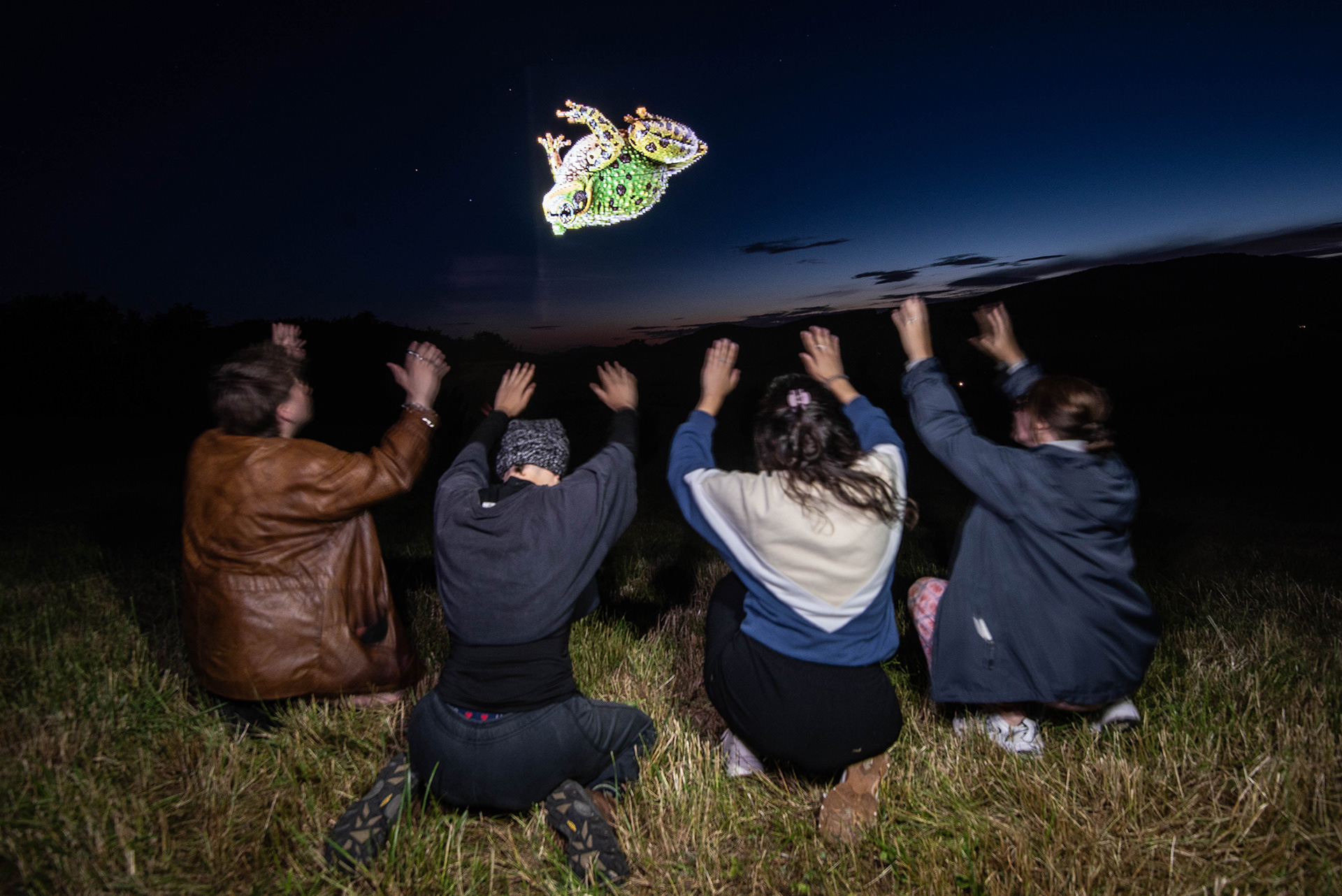
Imaginative Landscape in Photography Through the Technique of Luminography. The session opened with a curated visual presentation — participants explored striking examples of long-exposure light painting from professional photographers, building a shared visual vocabulary. The facilitator then demonstrated the technique live, allowing participants to observe the full process before attempting it themselves. This phase was deliberately kept interactive: questions were welcomed, ideas were exchanged, and curiosity was treated as a learning tool.
Imaginative Landscape in Photography Through the Technique of Luminography. The session opened with a curated visual presentation — participants explored striking examples of long-exposure light painting from professional photographers, building a shared visual vocabulary. The facilitator then demonstrated the technique live, allowing participants to observe the full process before attempting it themselves. This phase was deliberately kept interactive: questions were welcomed, ideas were exchanged, and curiosity was treated as a learning tool.
Phase 2 — Fieldwork During the Blue Hour:
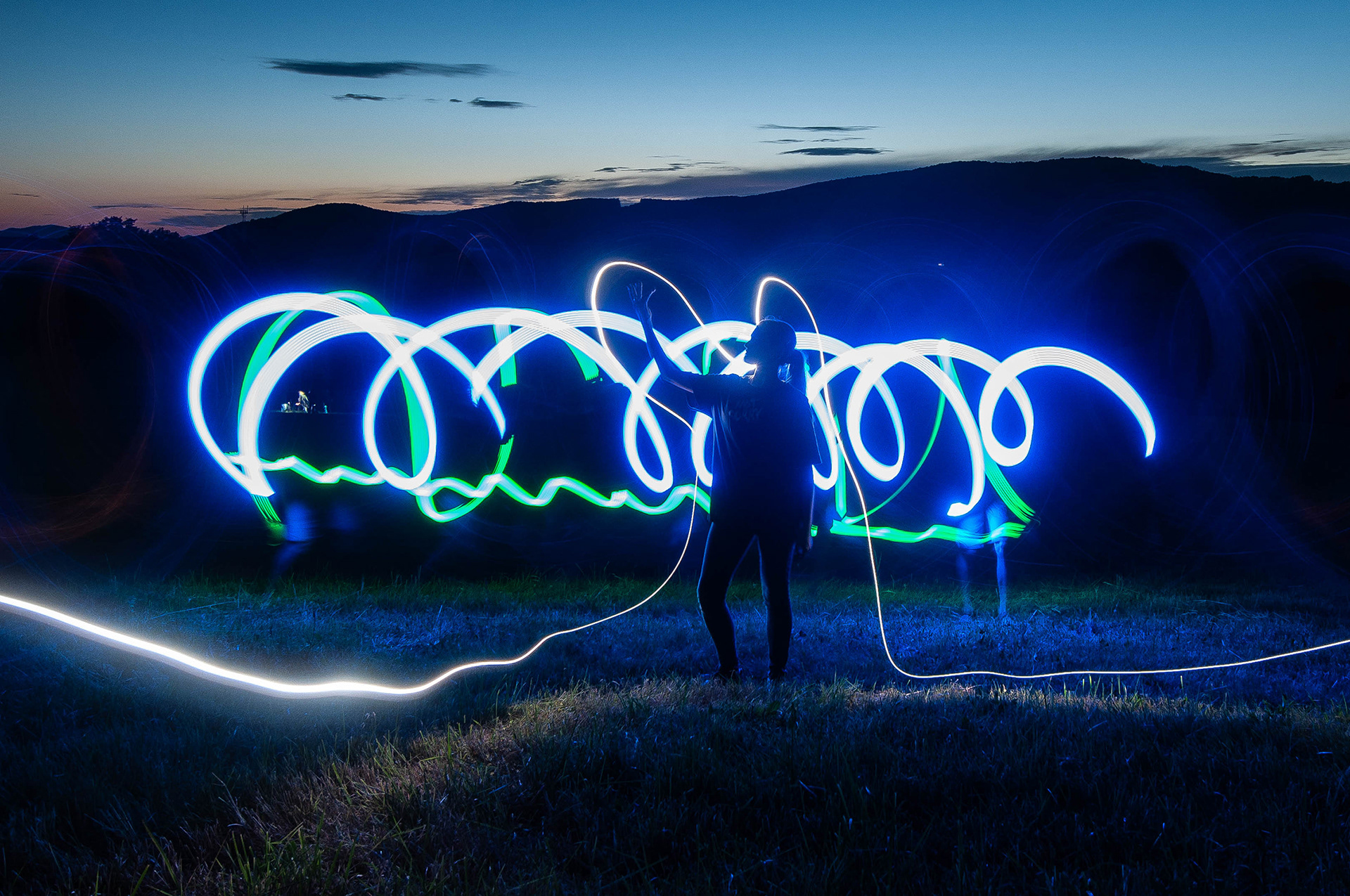
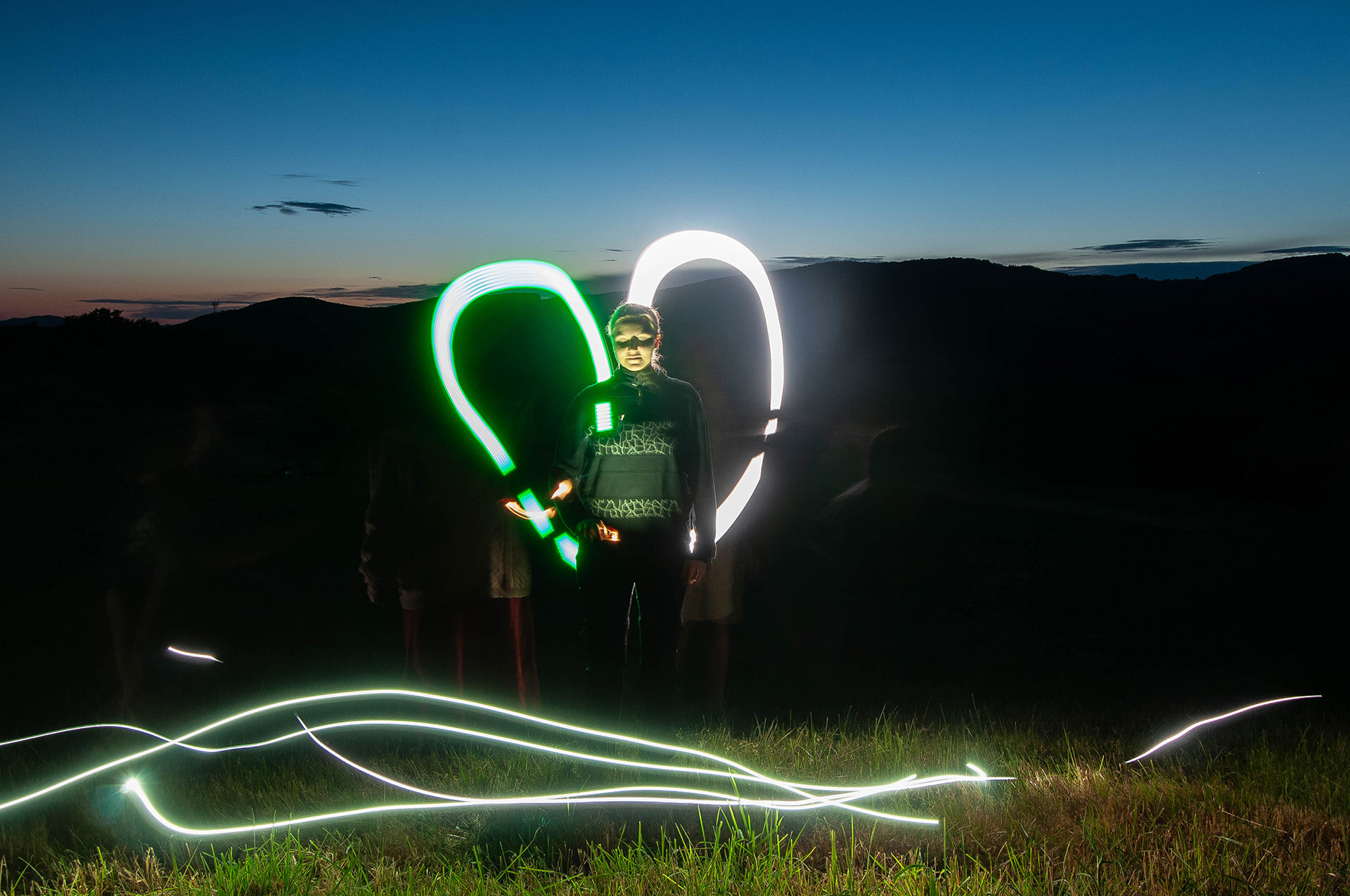
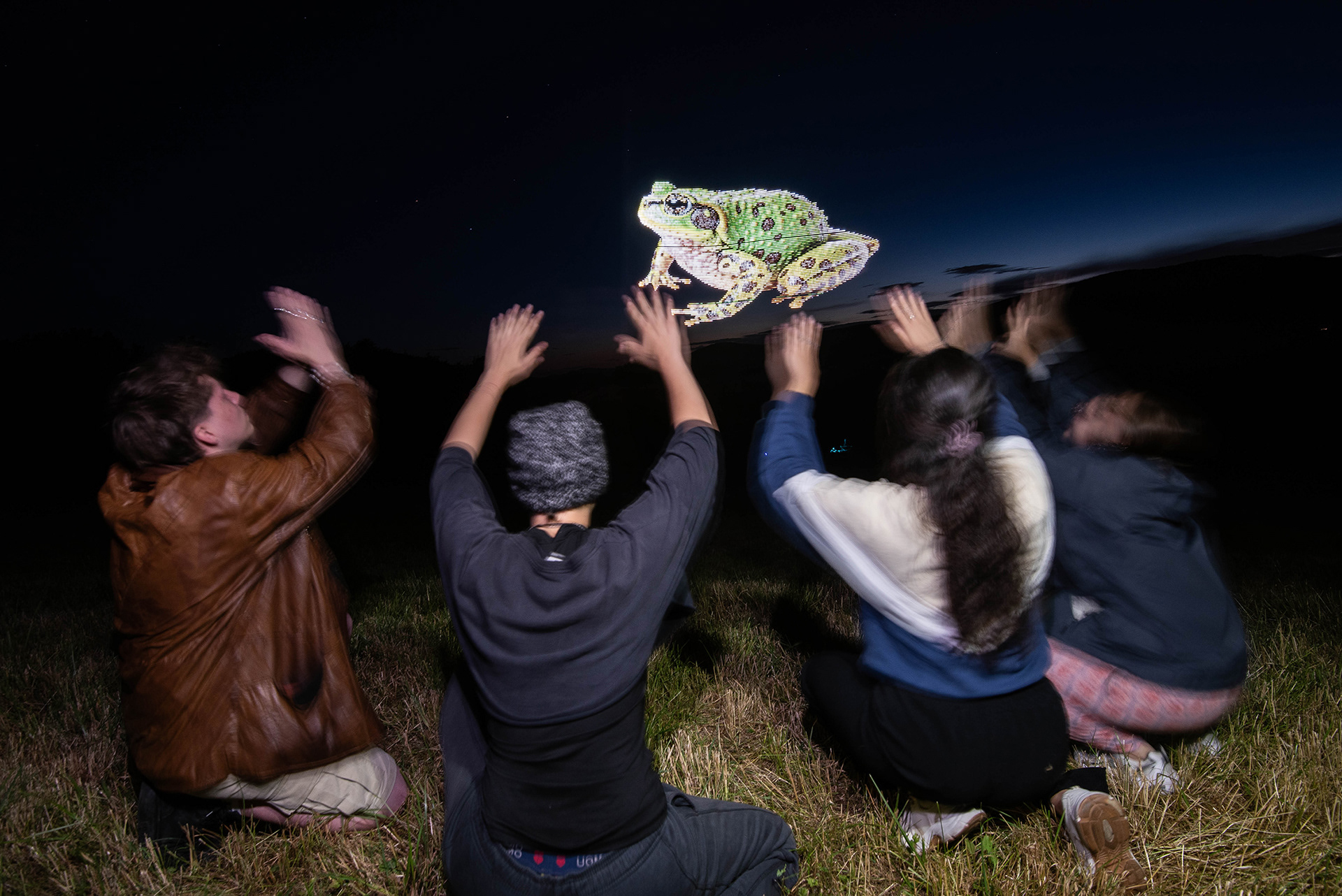
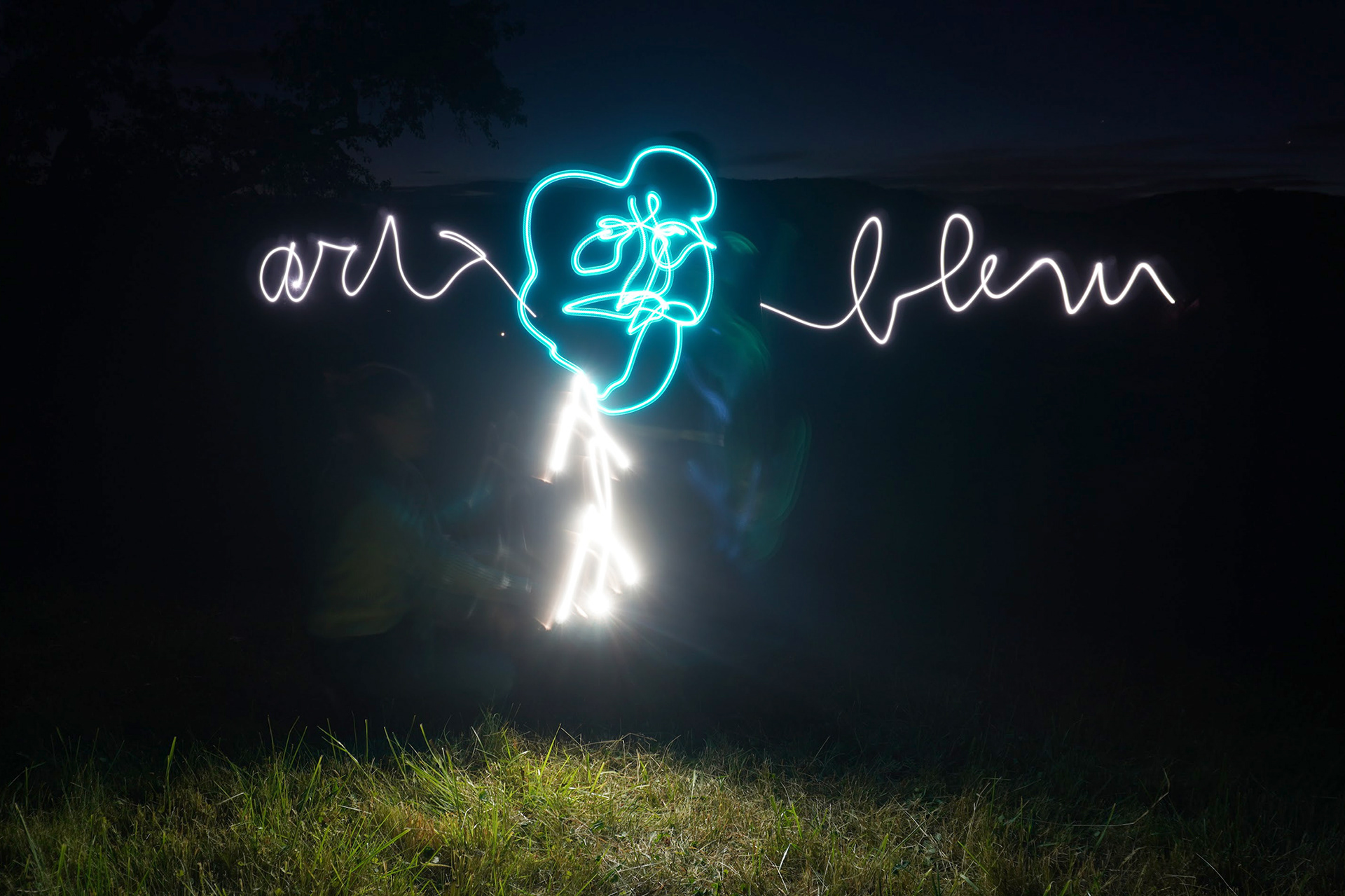
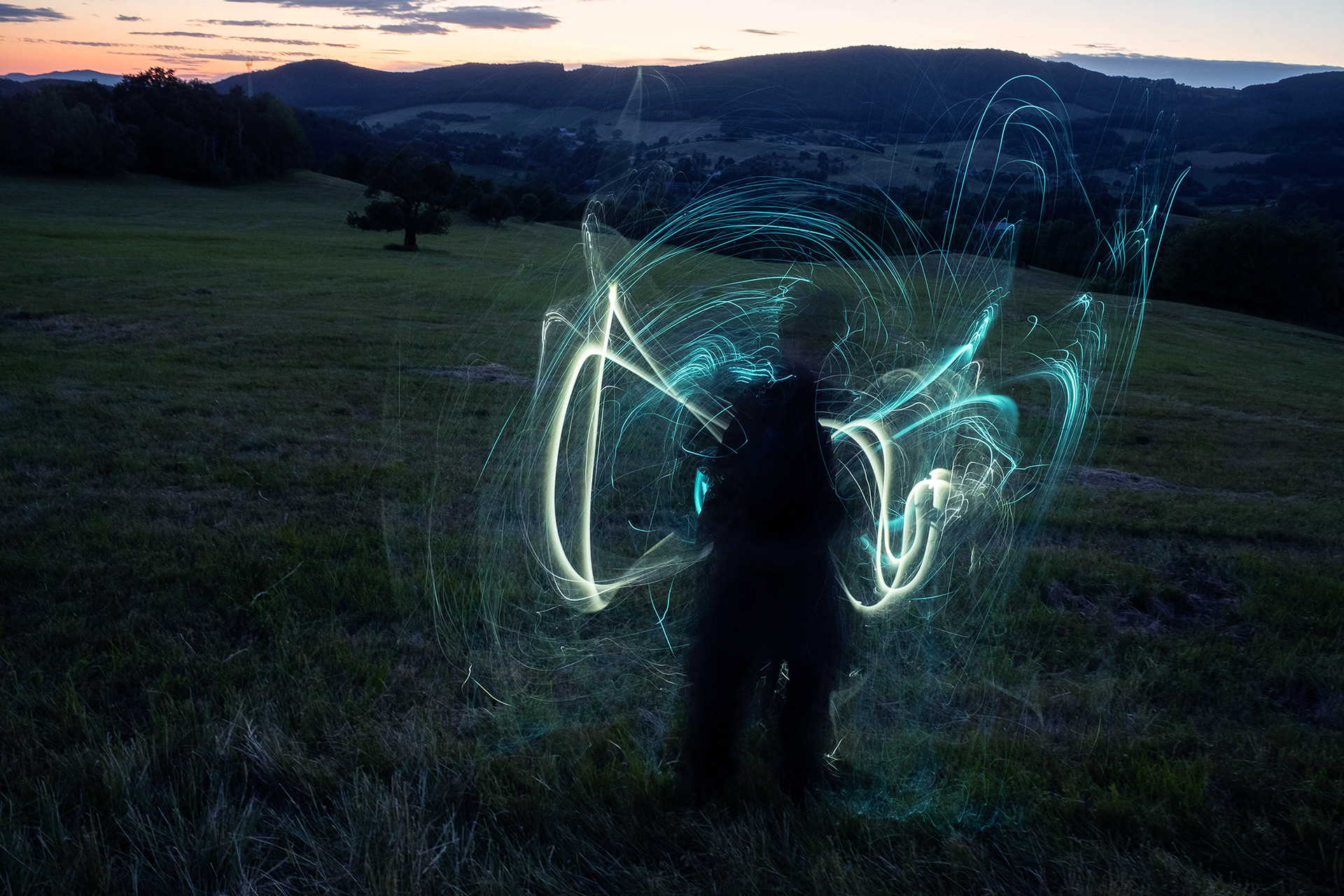
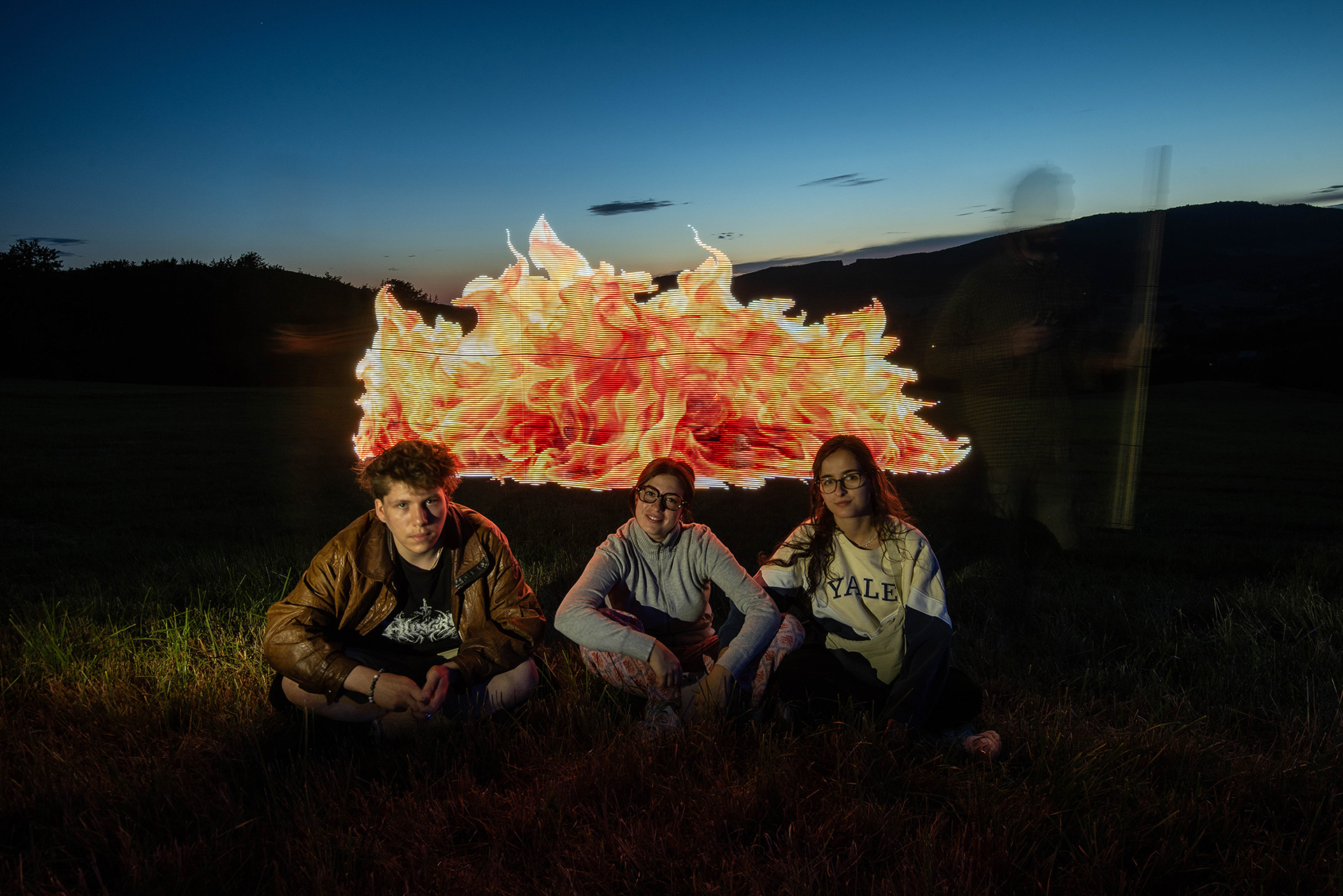
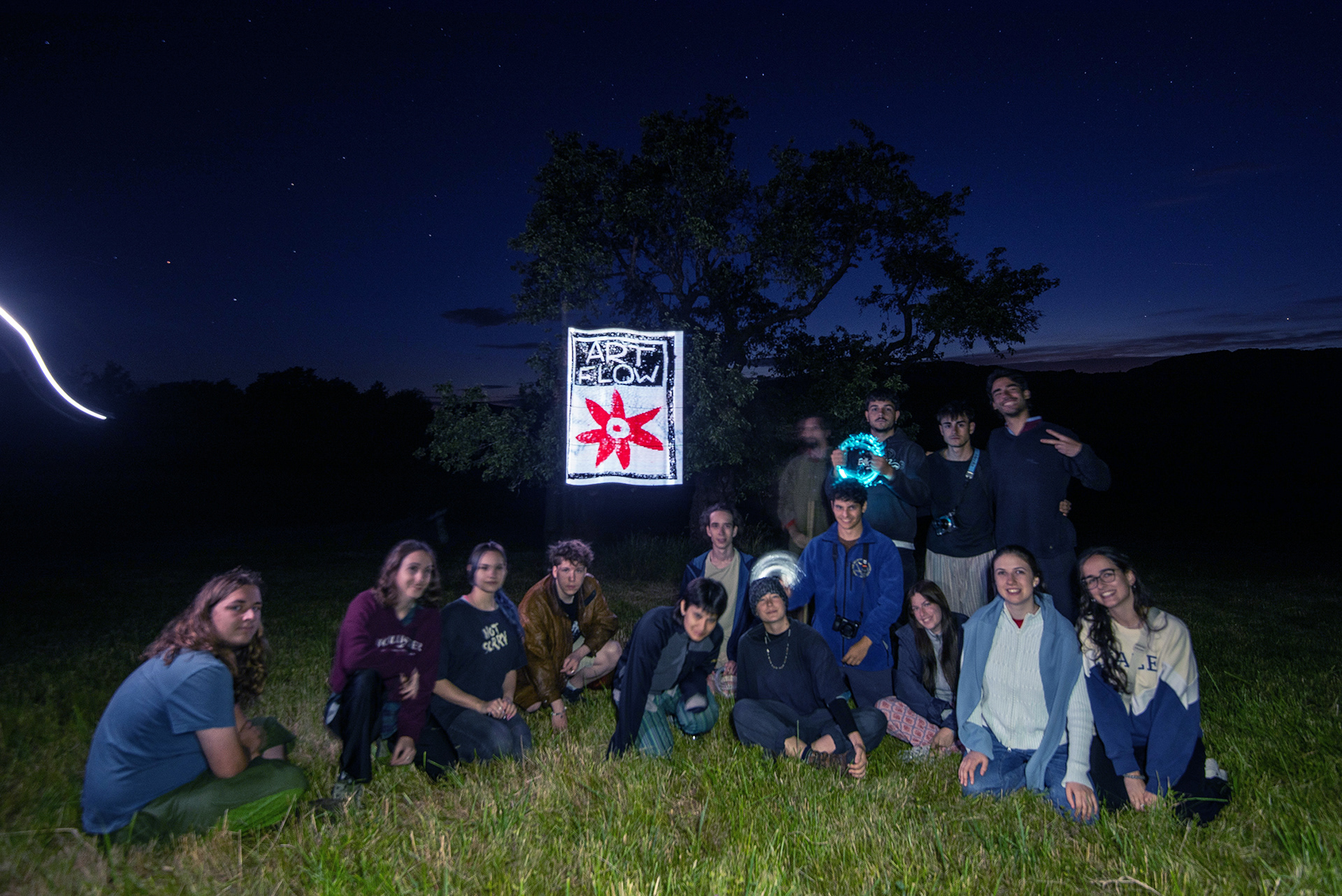
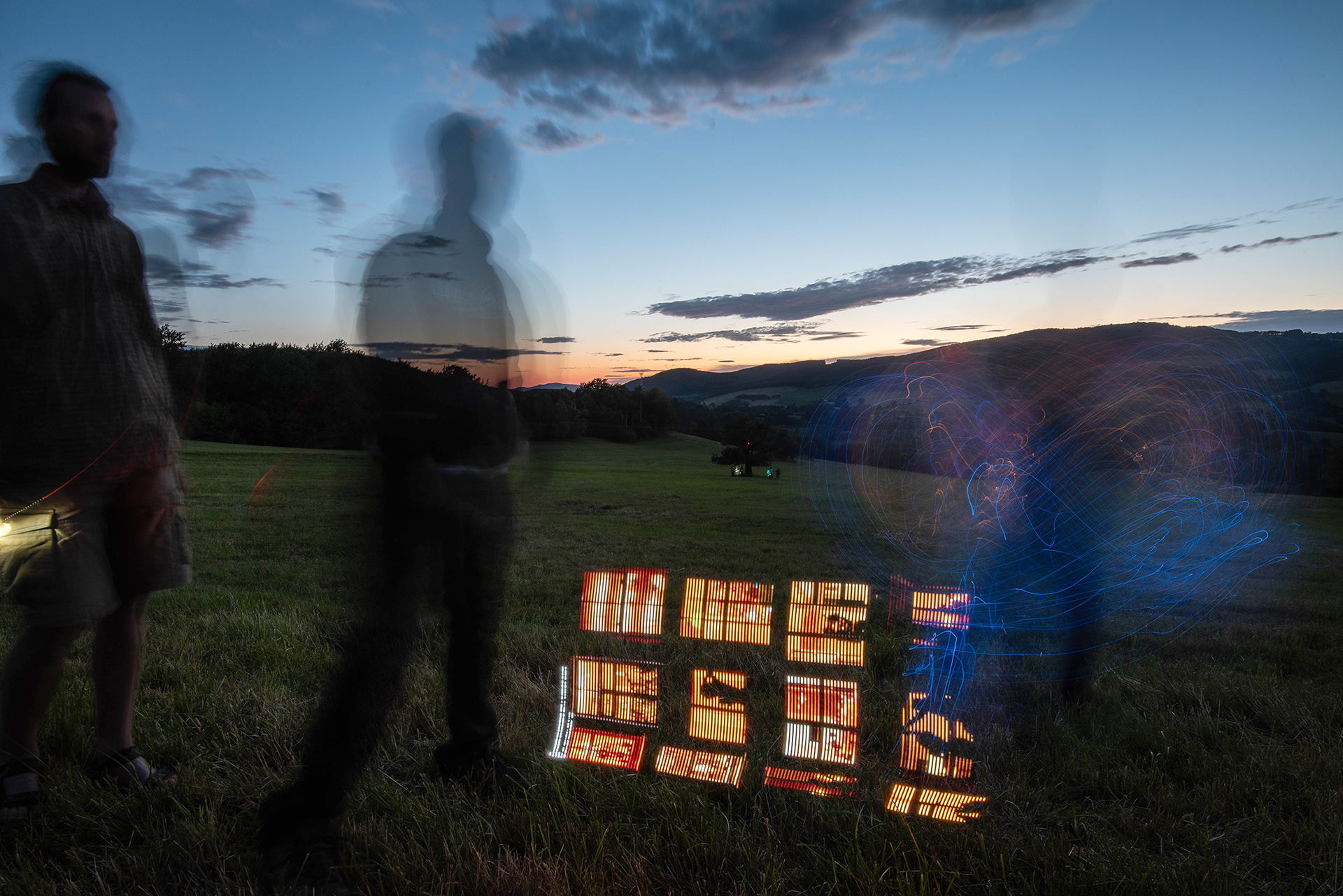
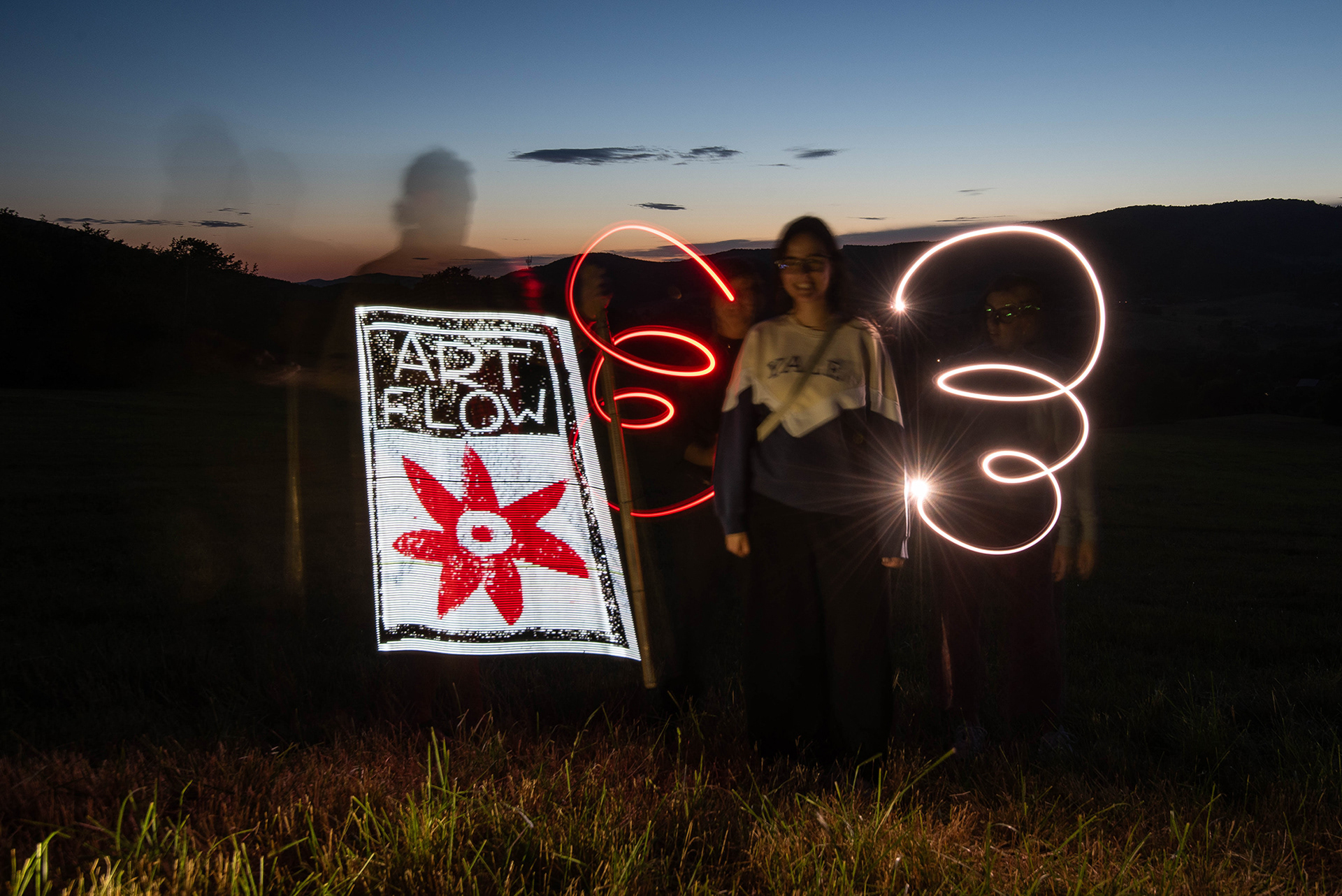
Timing was everything. The group moved to a nearby meadow precisely during the blue hour — that brief, magical window when daylight slowly surrenders to night. After collective test shots to understand the mechanics, participants split into smaller groups and began crafting their own compositions using various light sources. Each person rotated through the roles of photographer, model, light painter, lighting assistant, and director — making the creative process as much about collaboration, communication, and trust as it was about art. After each session, the group paused to reflect, share feedback, and refine their approach for the next composition.
Timing was everything. The group moved to a nearby meadow precisely during the blue hour — that brief, magical window when daylight slowly surrenders to night. After collective test shots to understand the mechanics, participants split into smaller groups and began crafting their own compositions using various light sources. Each person rotated through the roles of photographer, model, light painter, lighting assistant, and director — making the creative process as much about collaboration, communication, and trust as it was about art. After each session, the group paused to reflect, share feedback, and refine their approach for the next composition.
Results & Impact
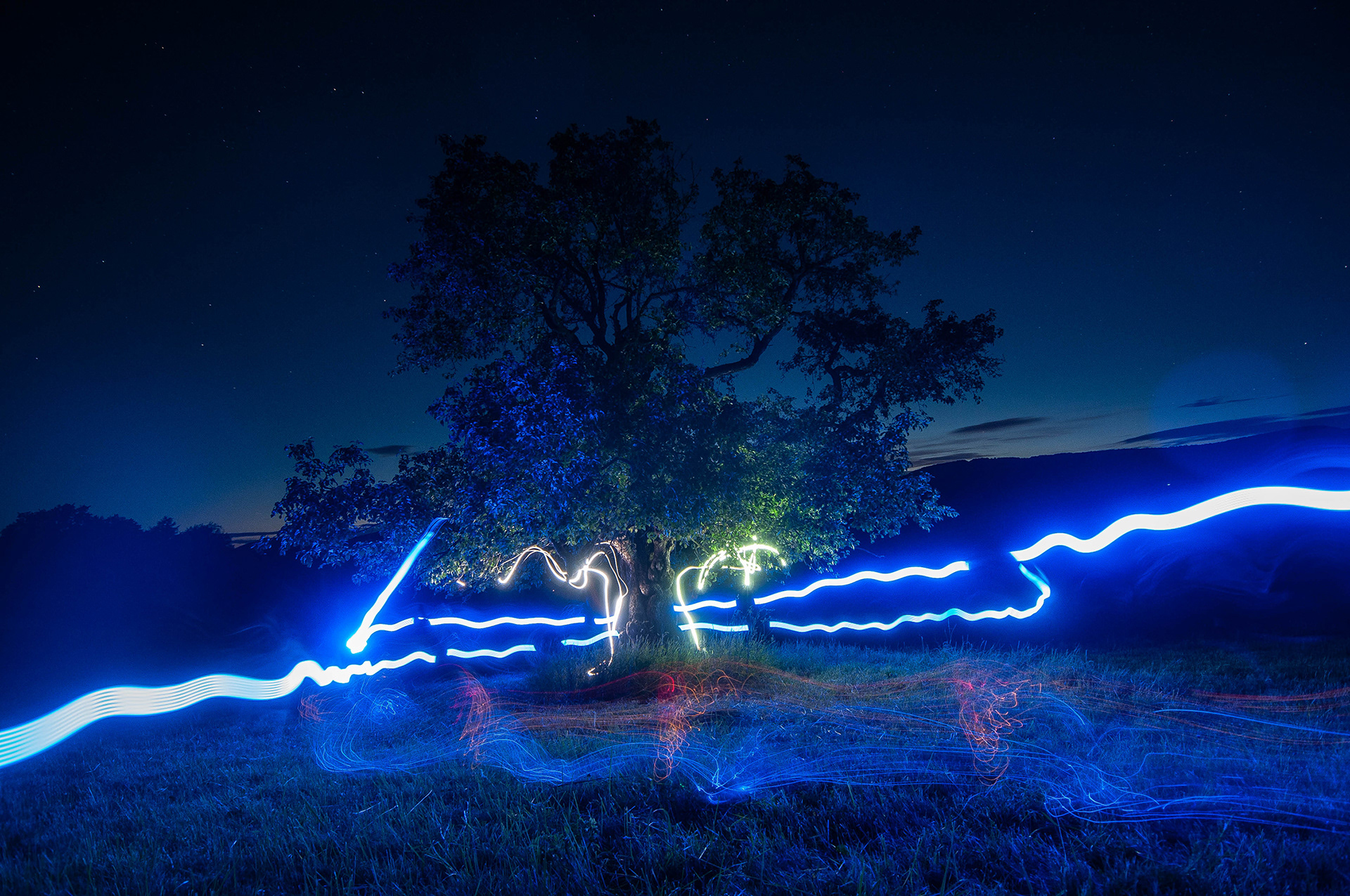
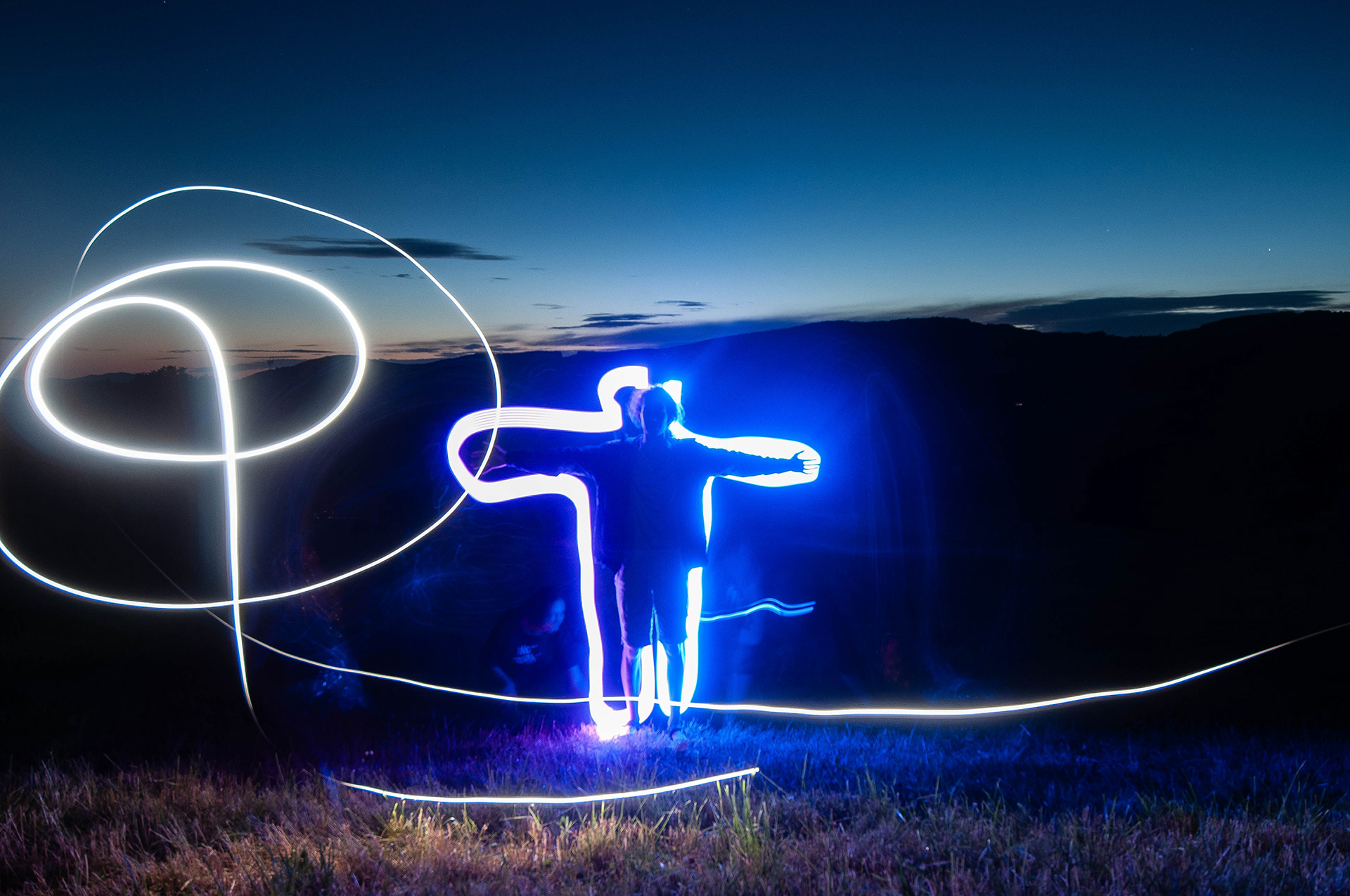
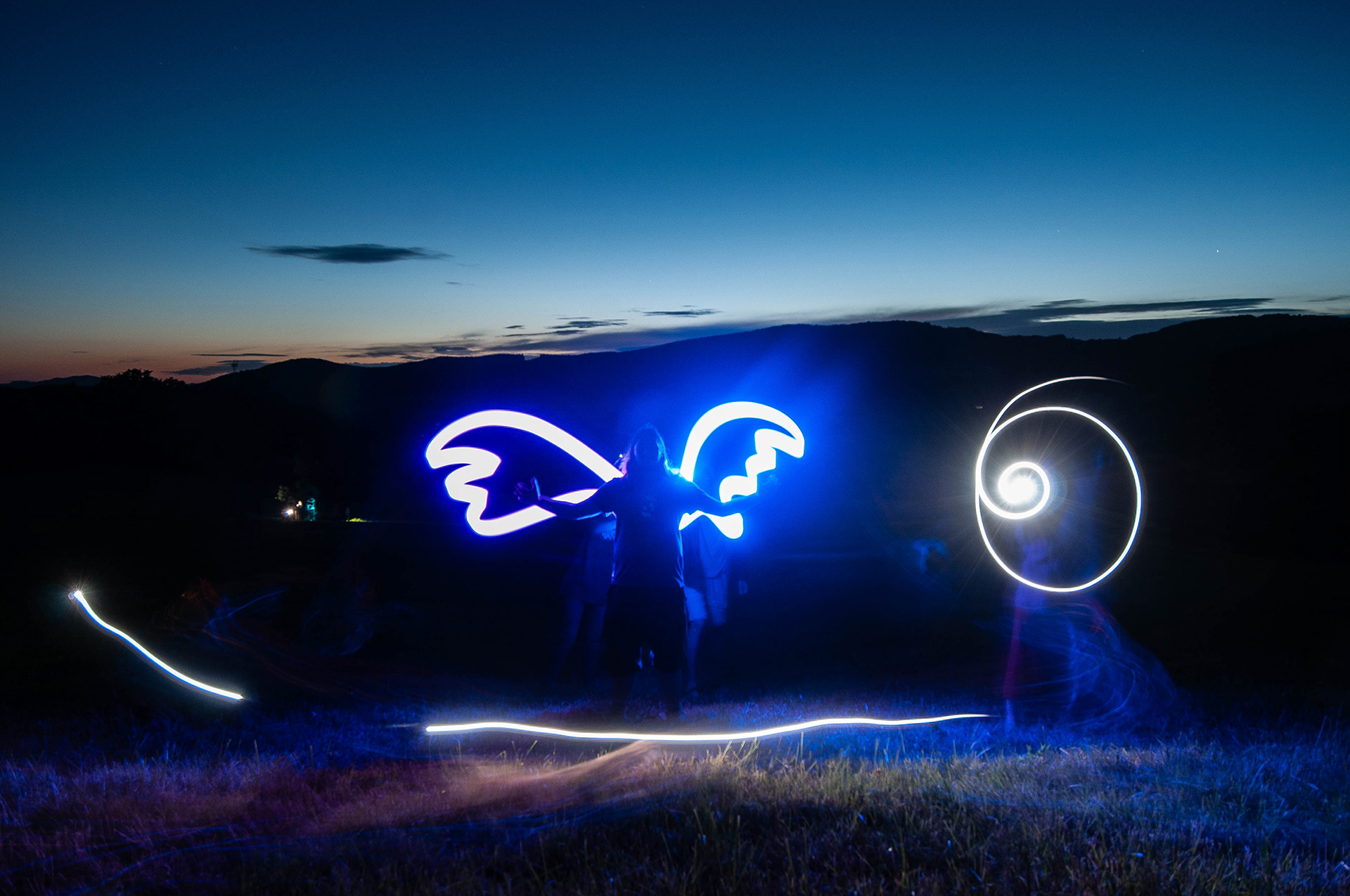
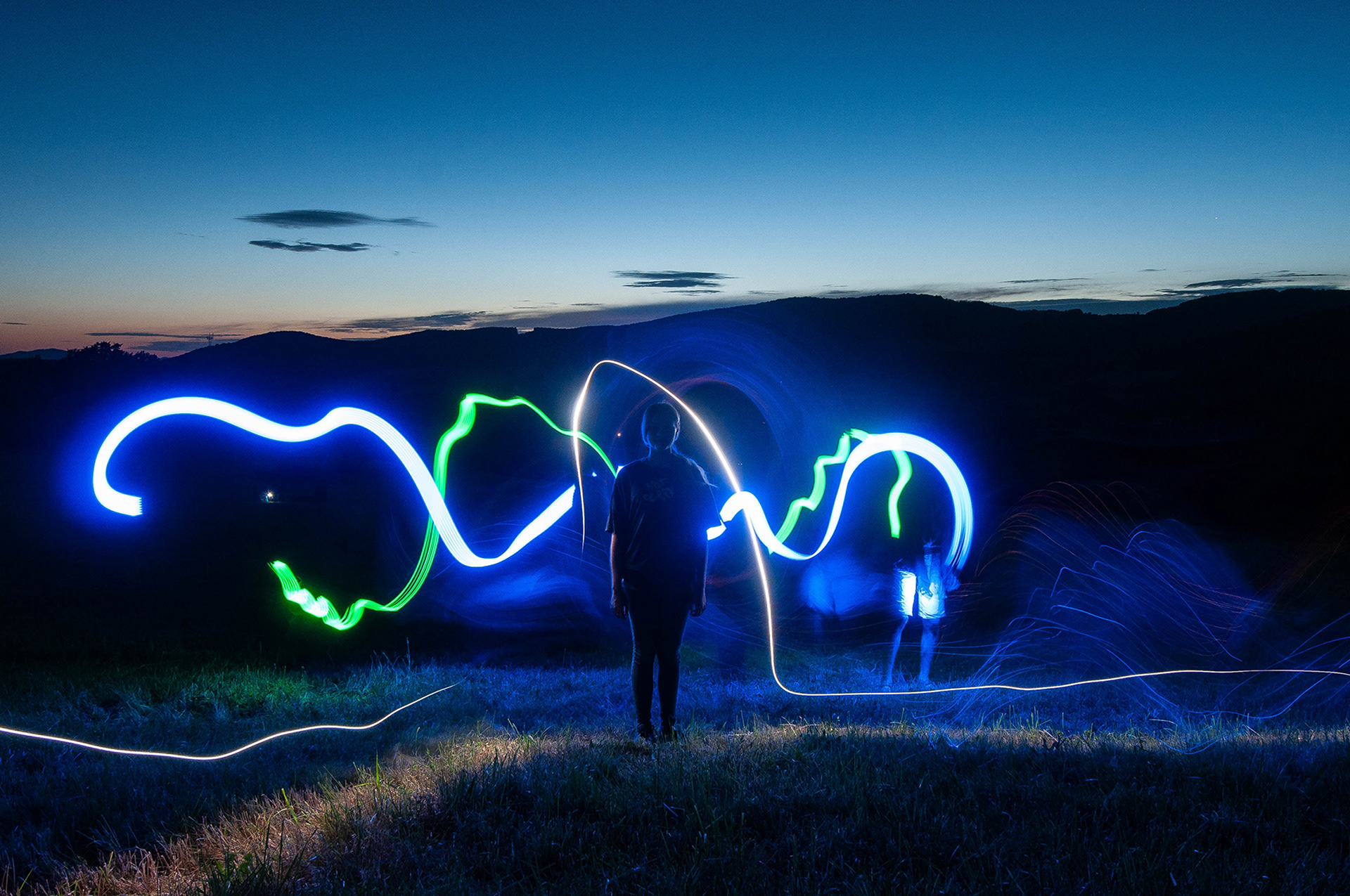
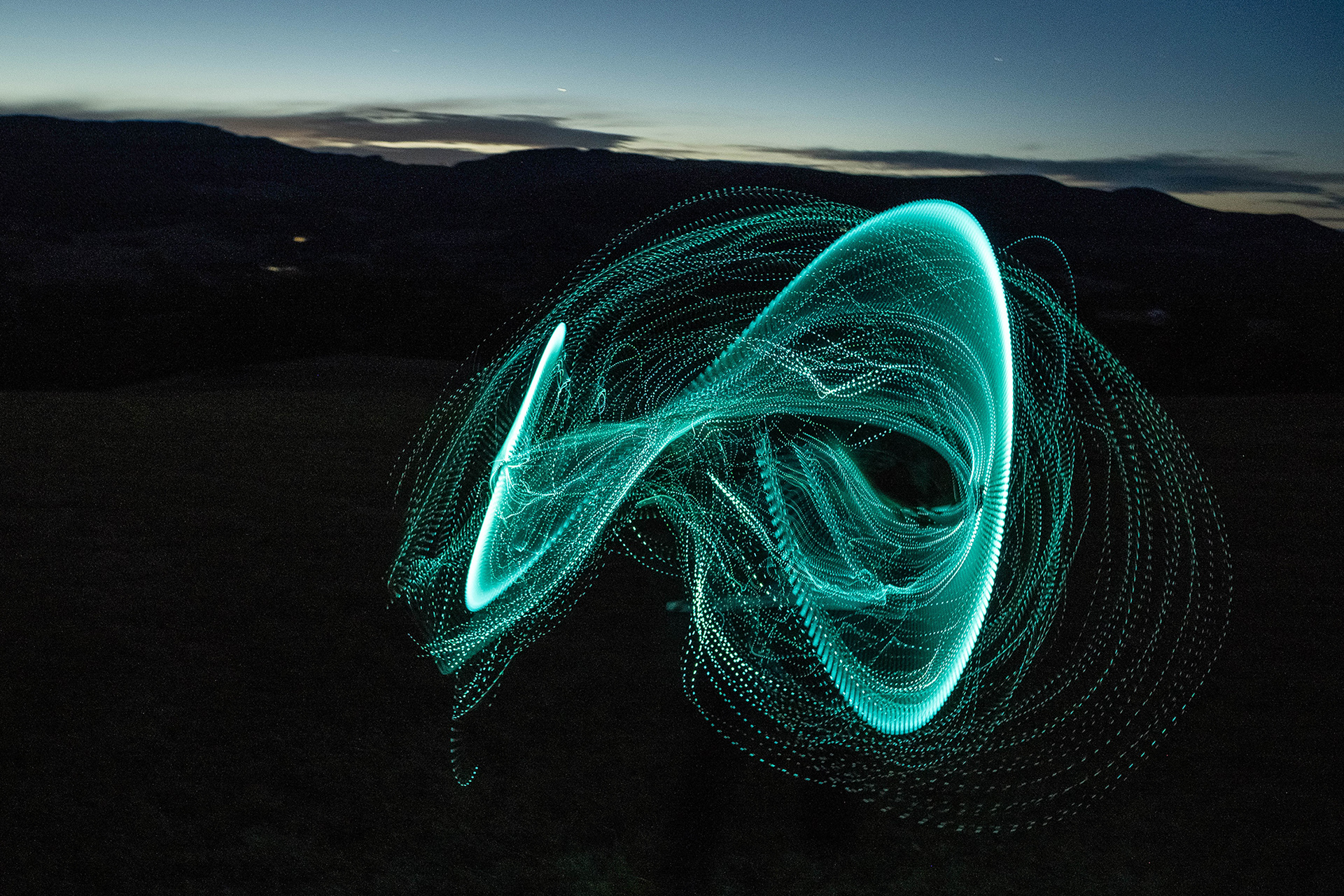
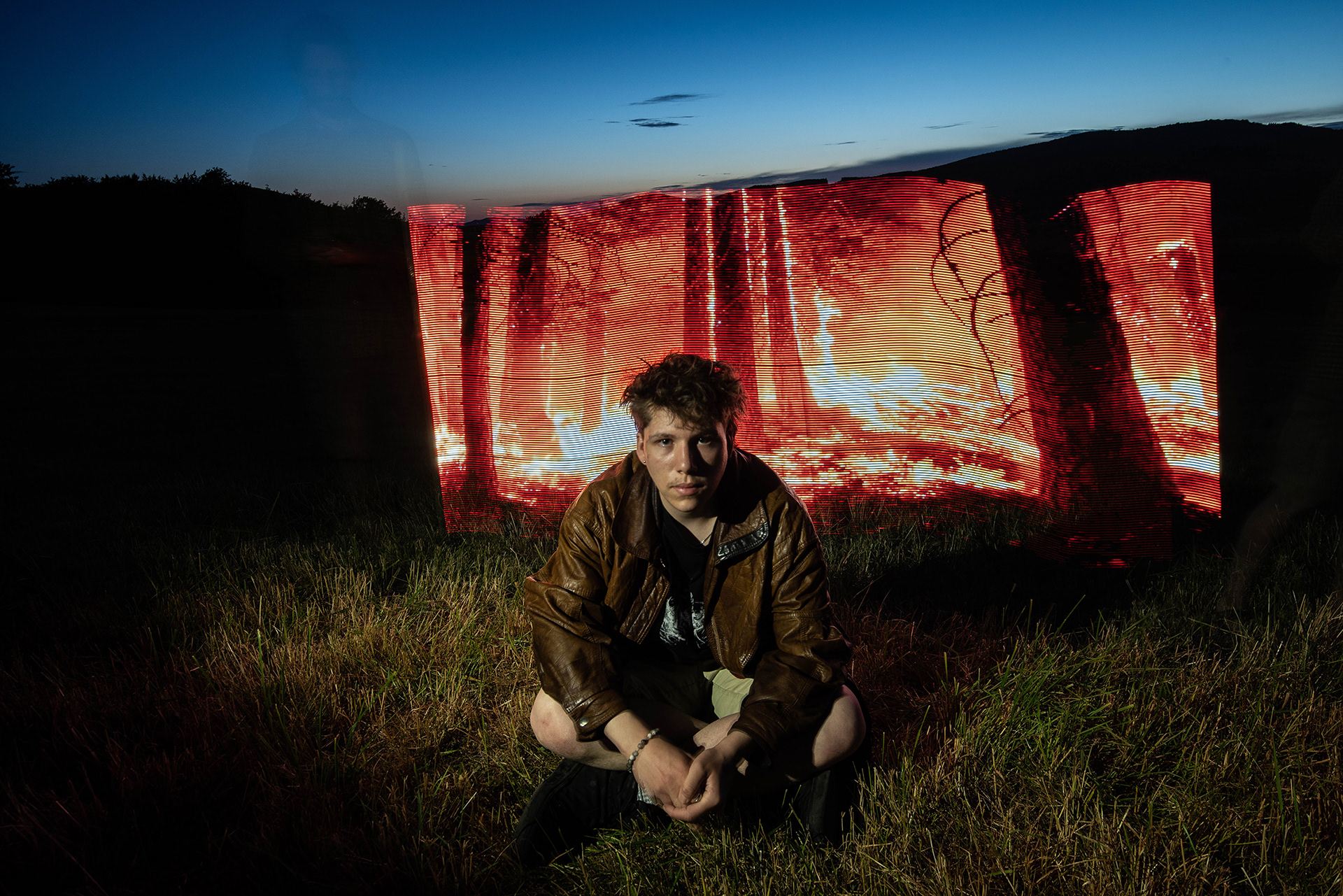
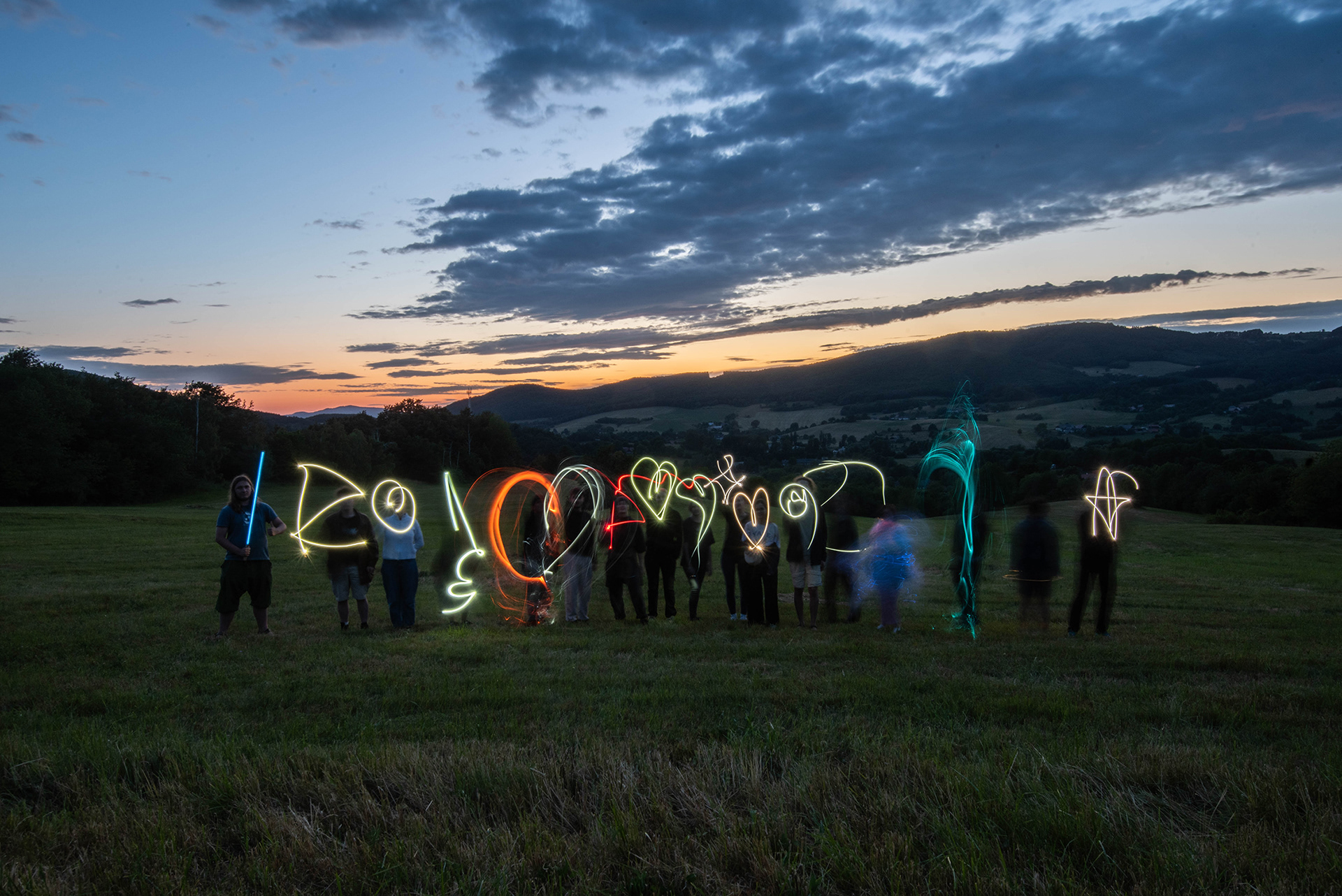
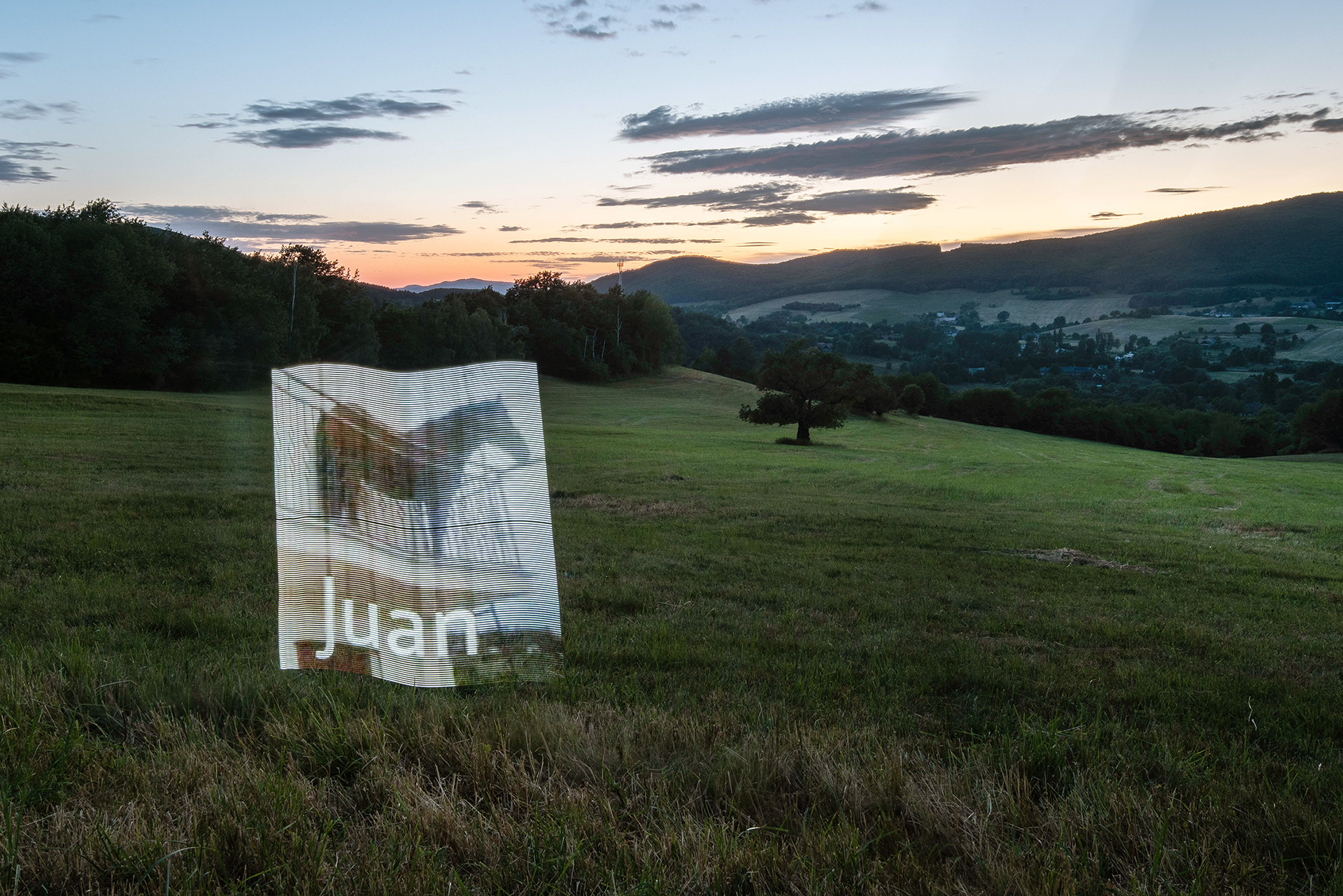
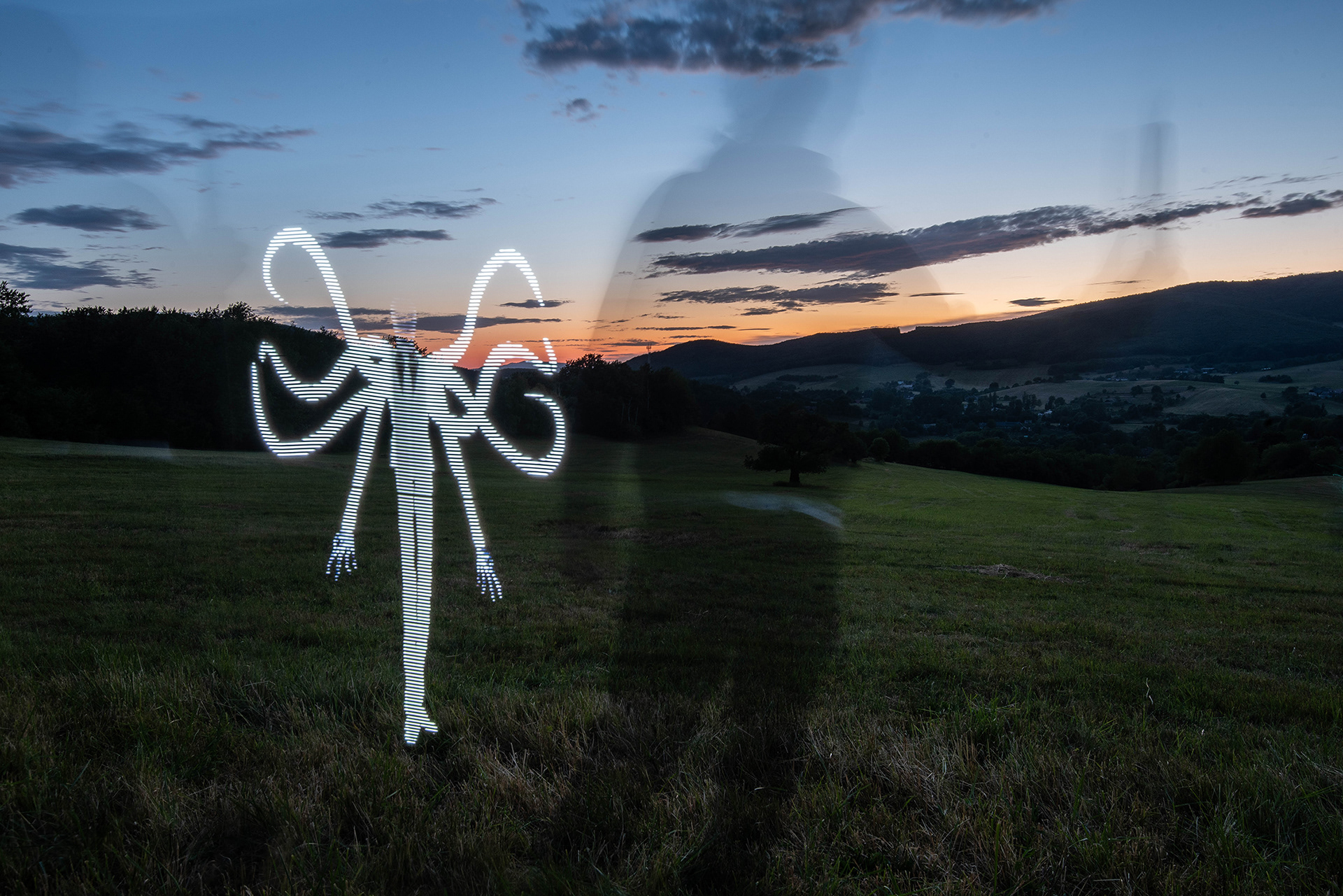
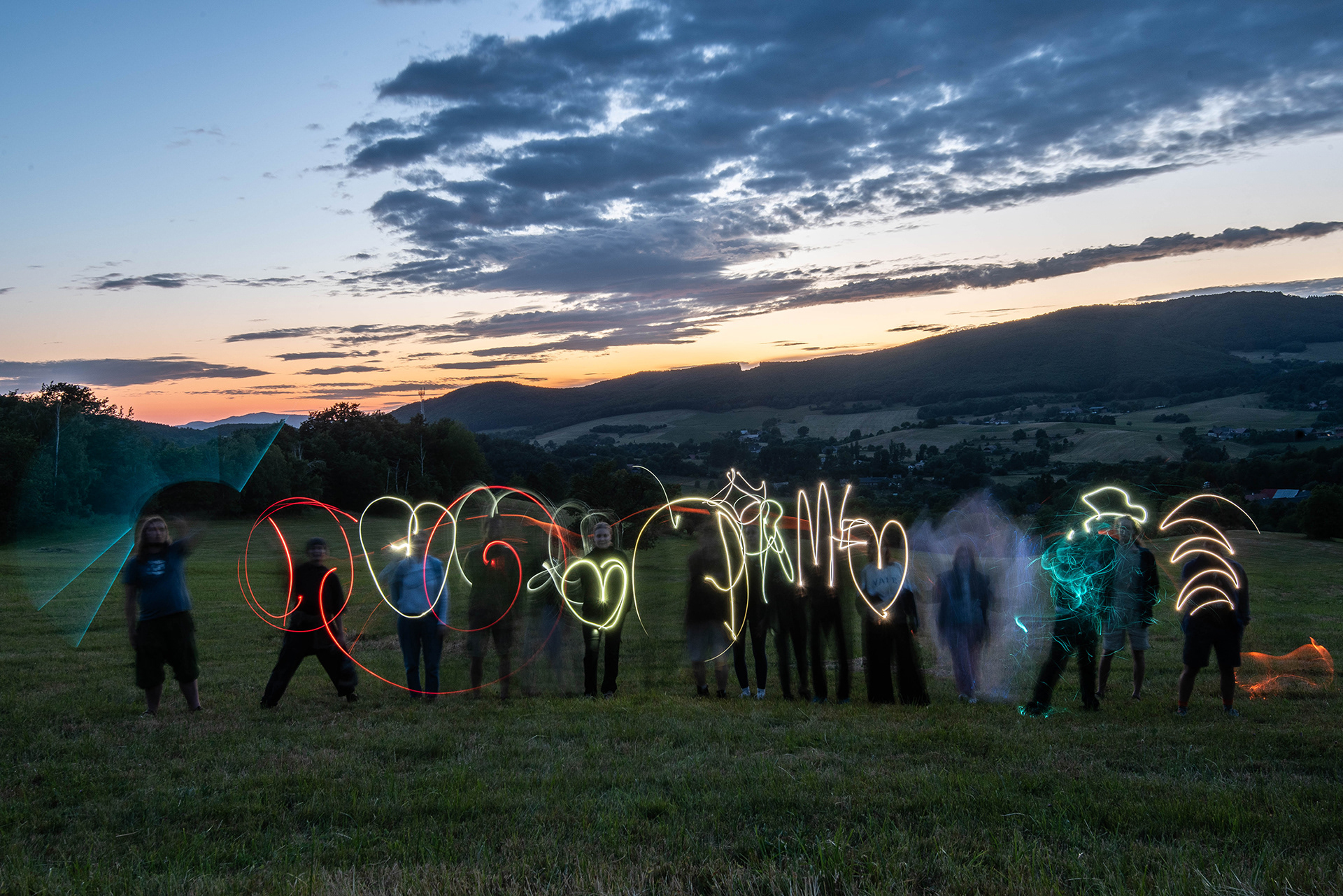
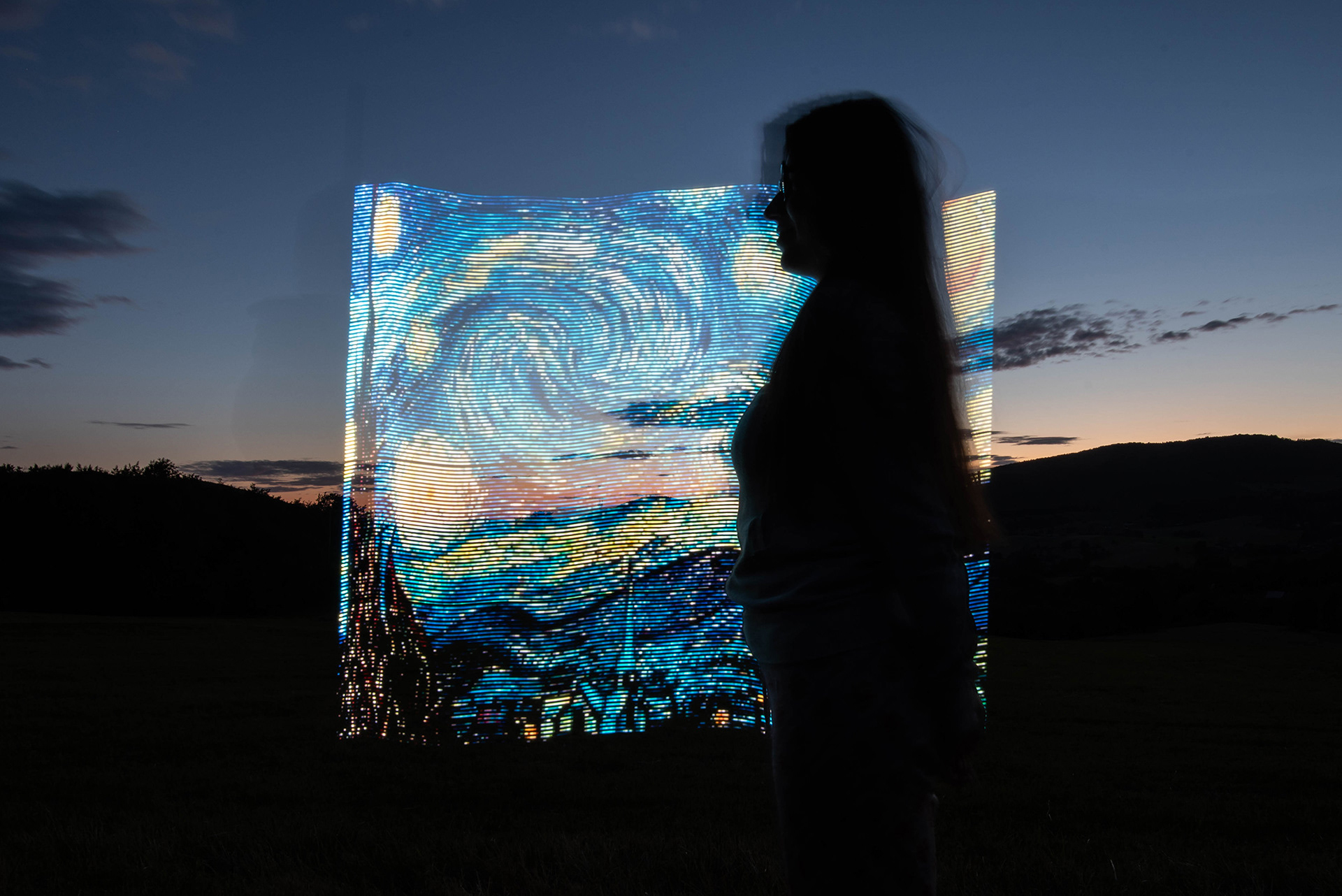
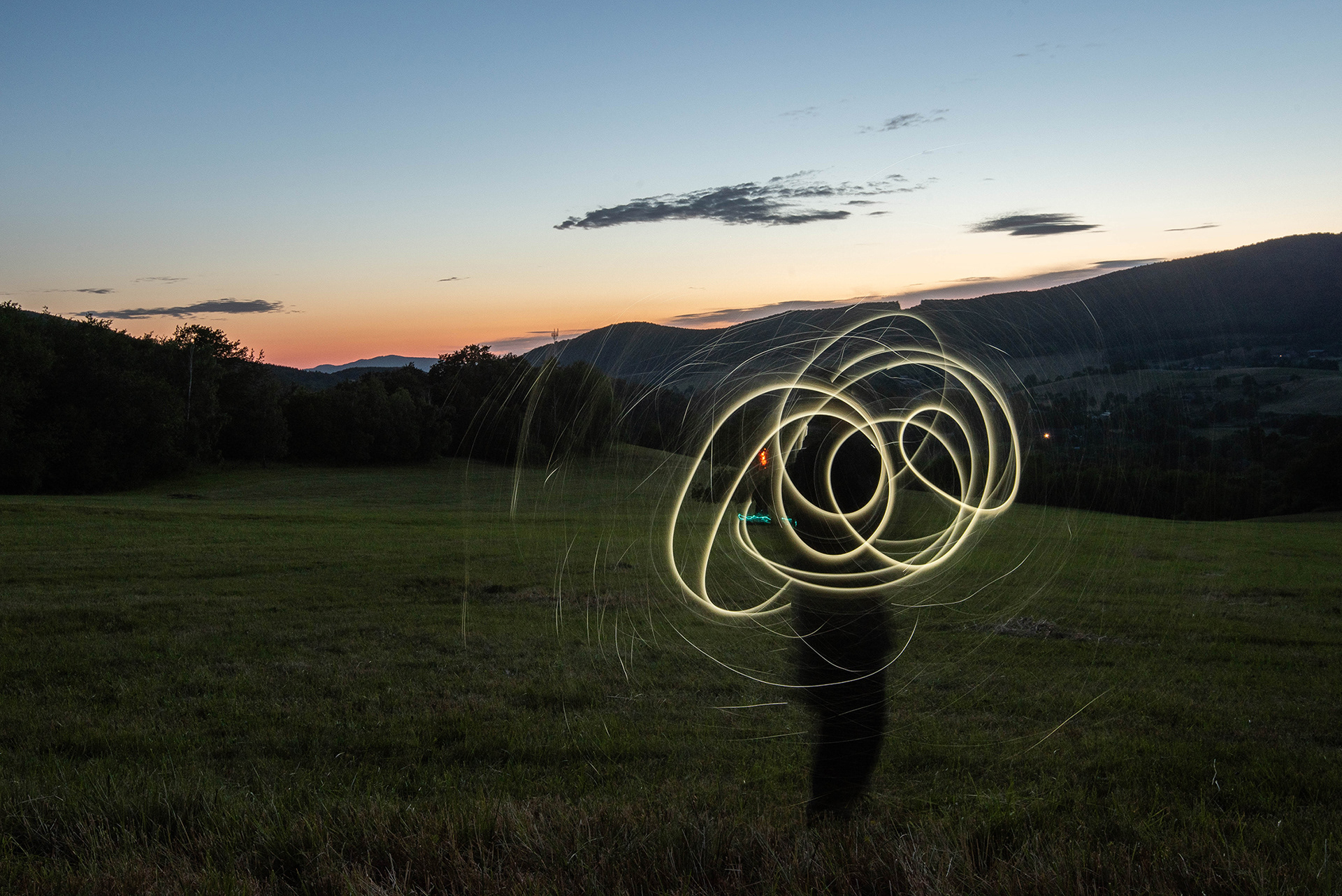
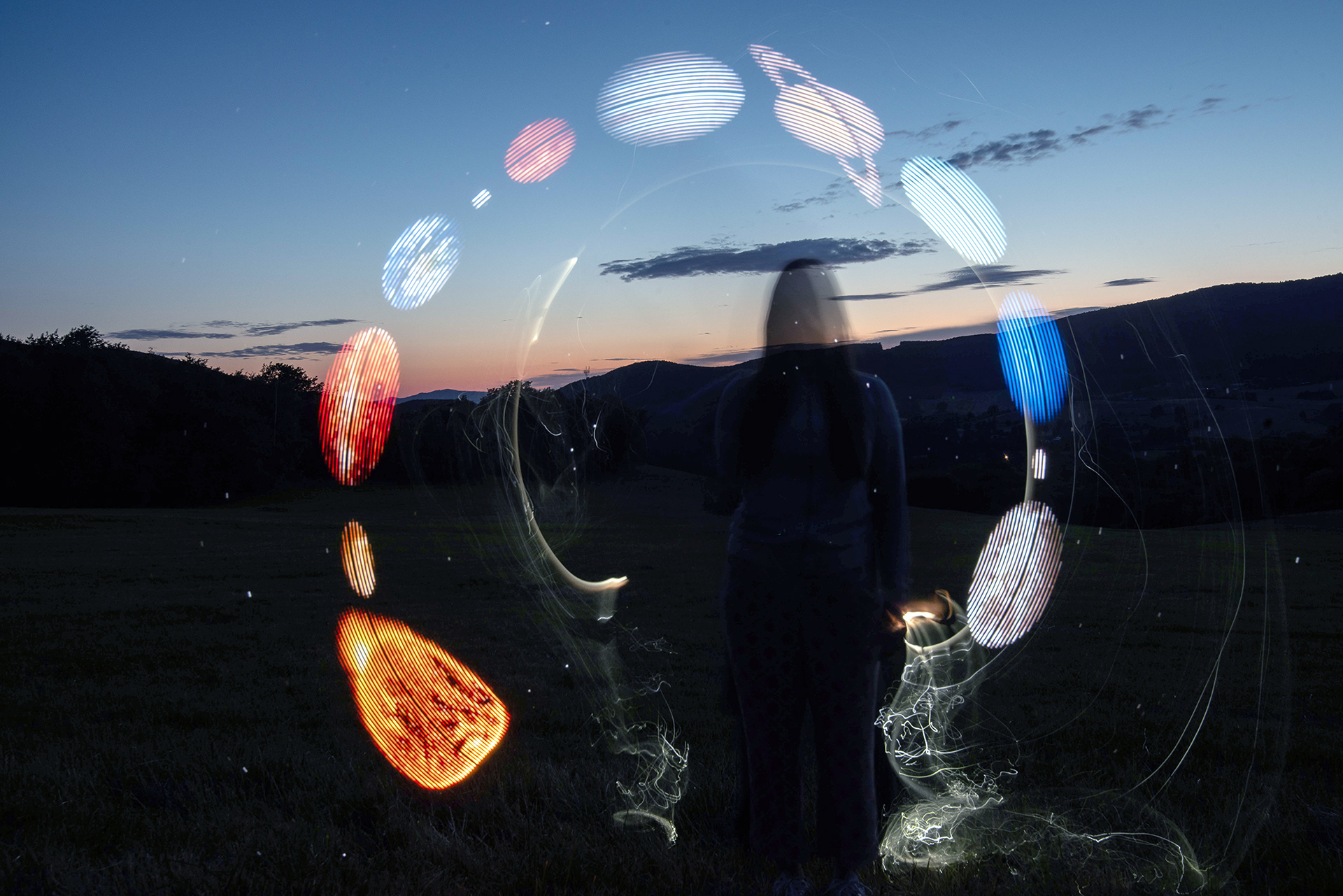
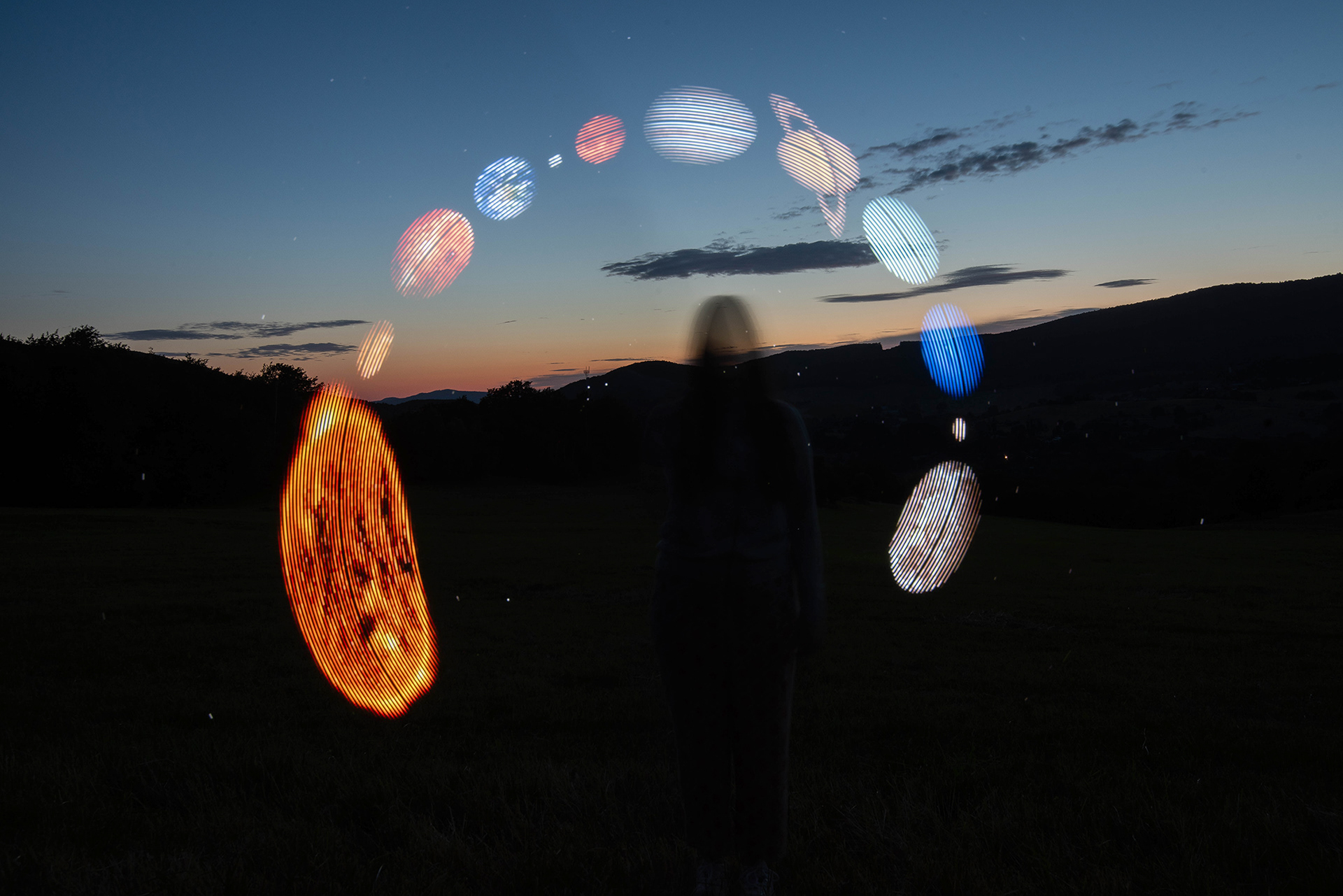
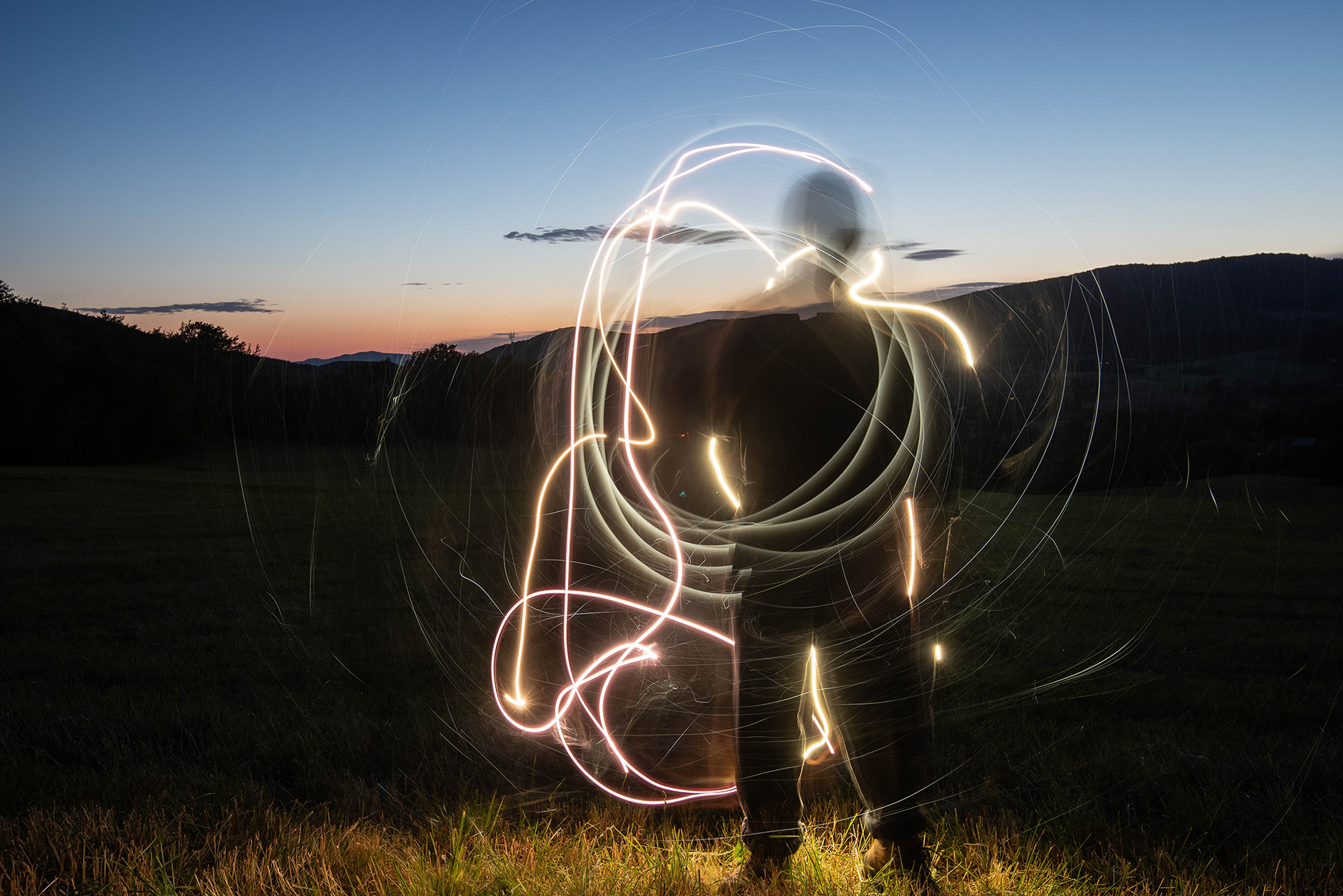
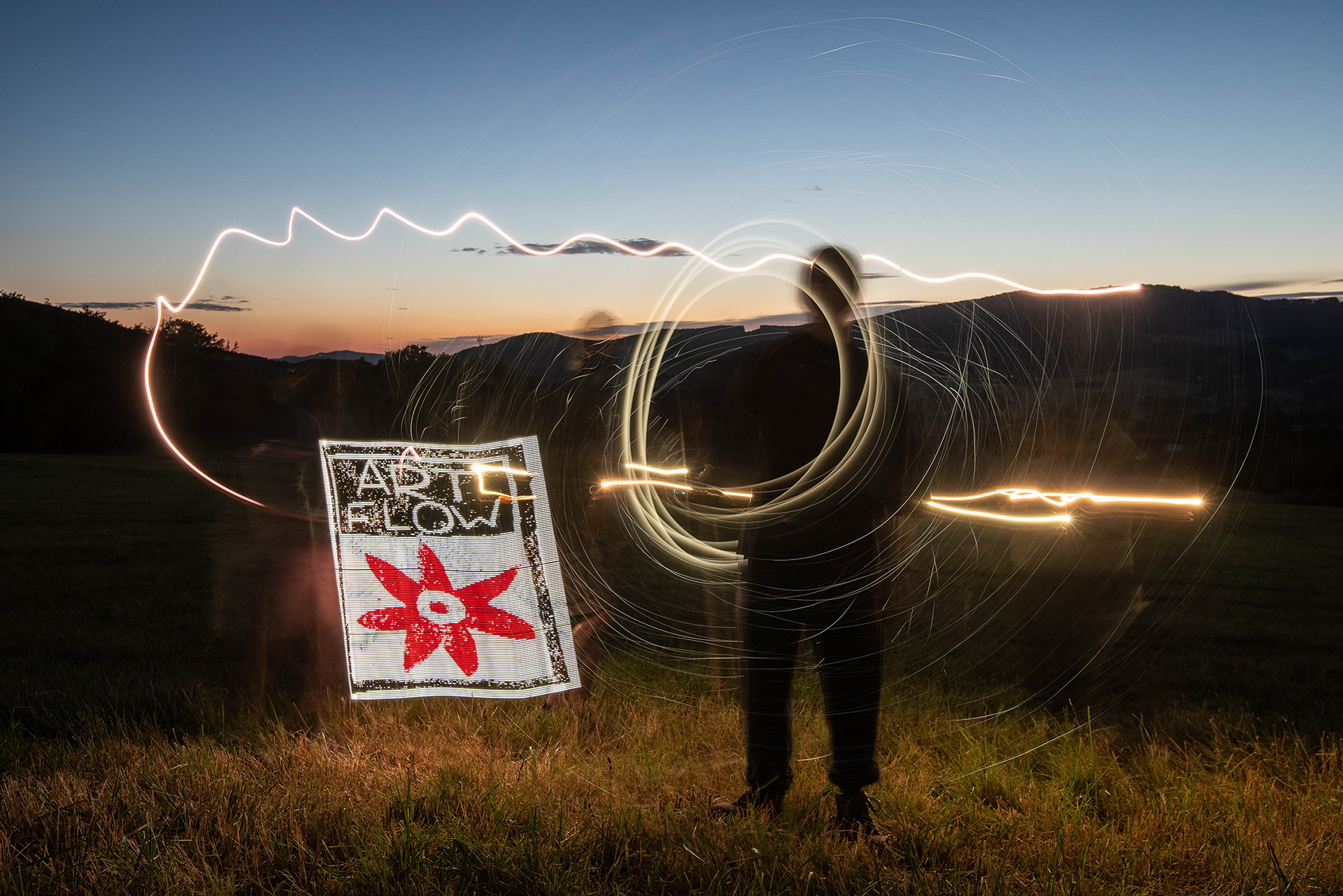
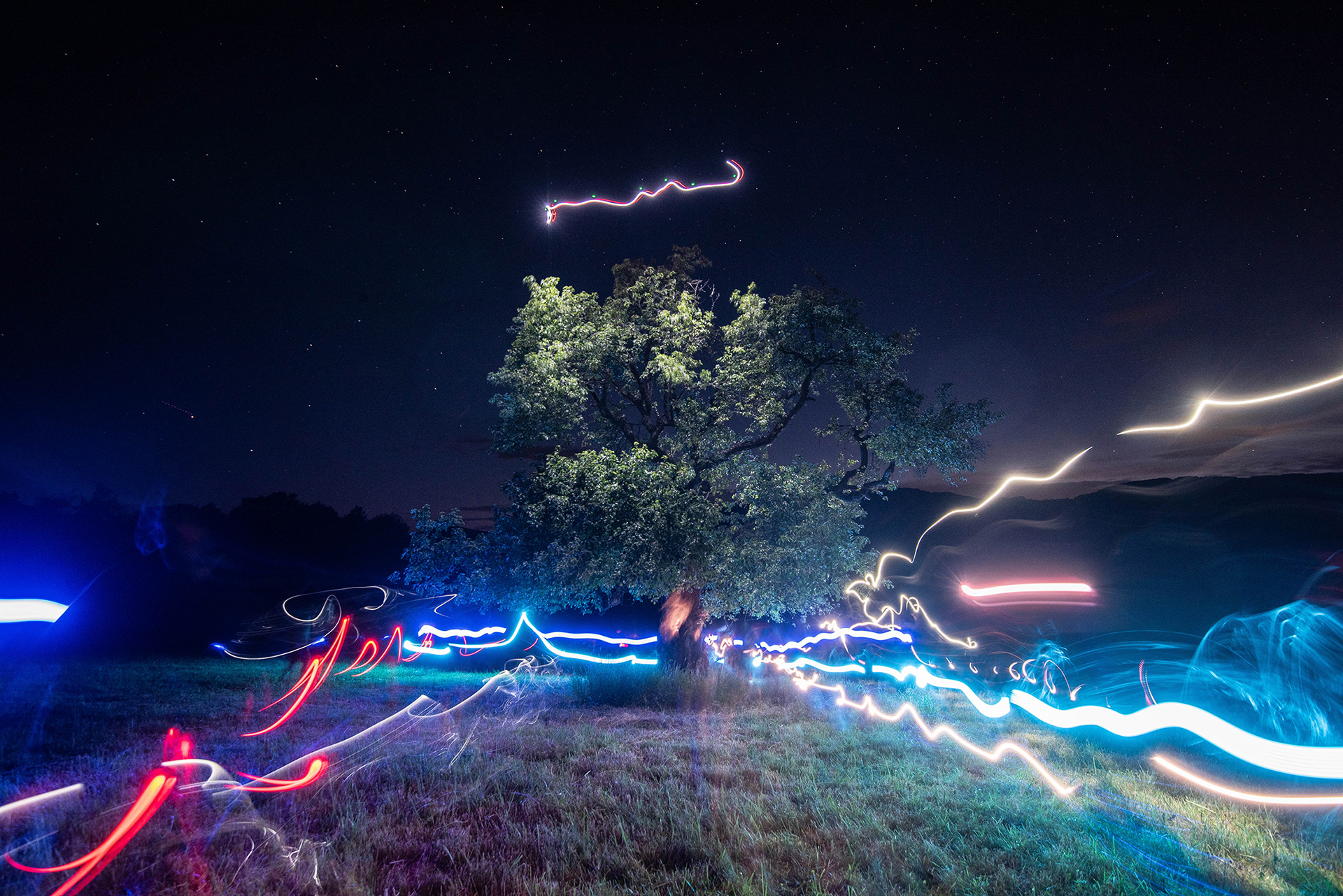
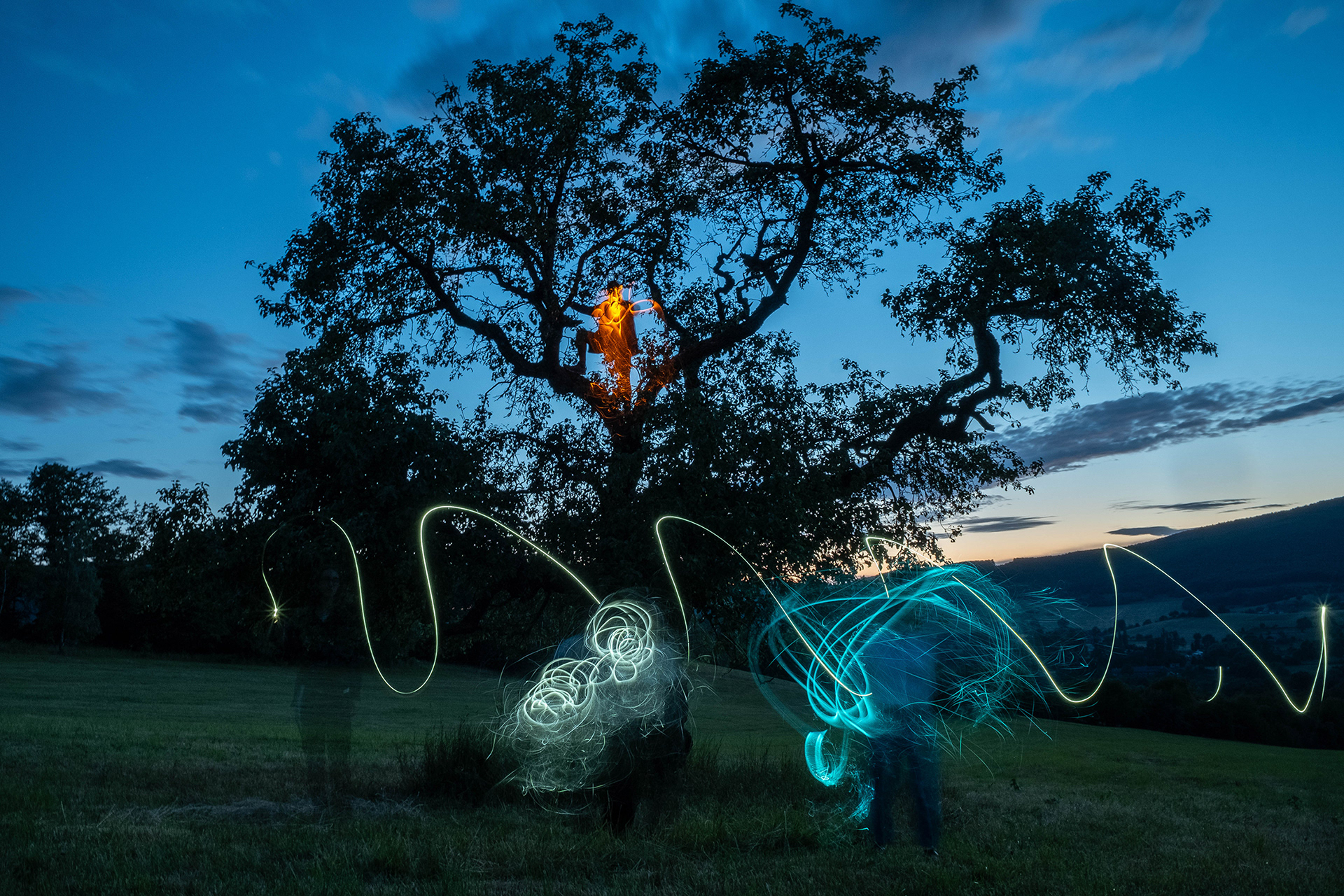
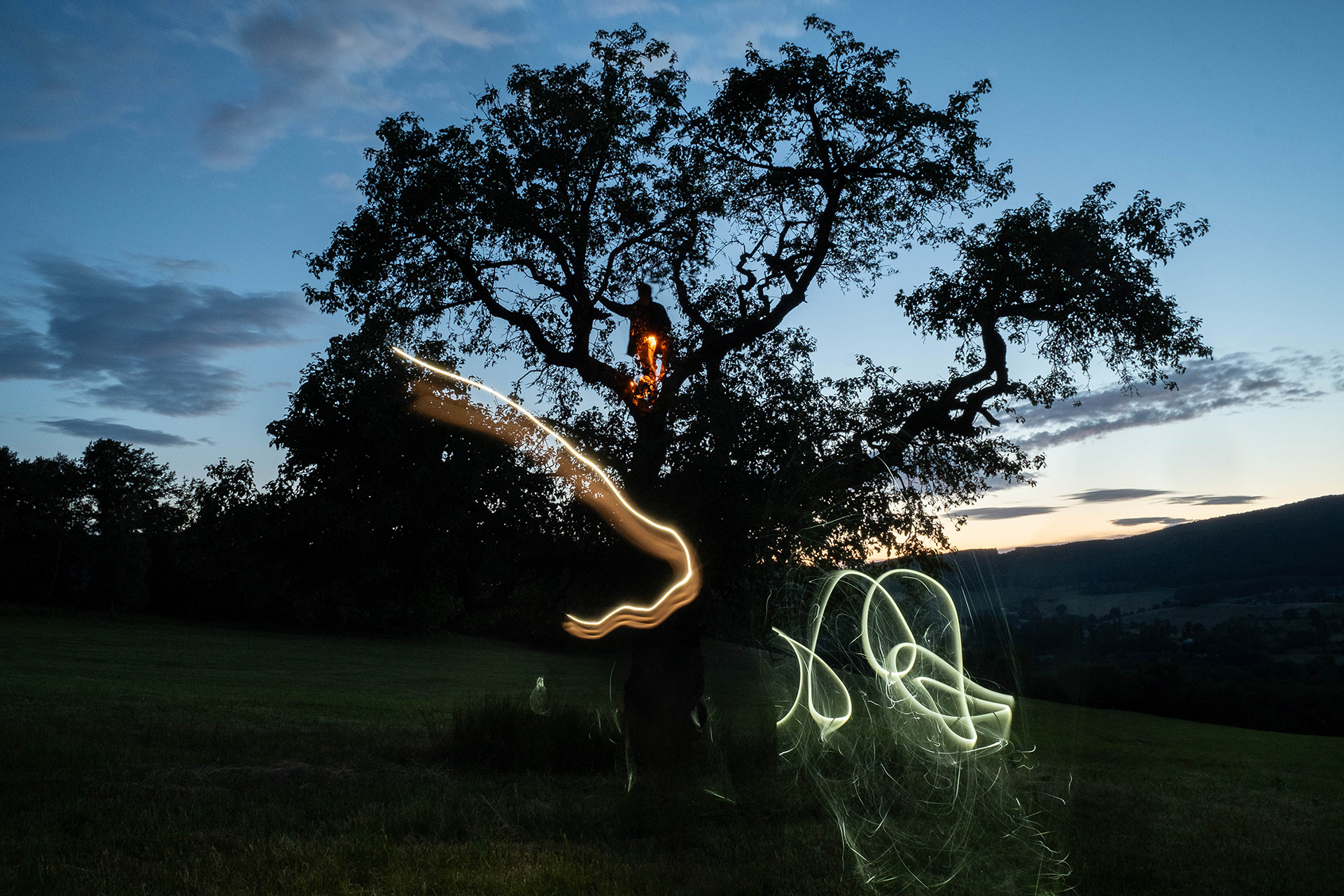
✨ Series of Luminographic Works: A striking collection of night images where light traces figures, spirals, wings, and abstract forms against the darkening Zaježová landscape.
✨ Technical Skill Development: Participants gained practical knowledge of long-exposure photography, light behaviour, and timing — skills directly transferable to future creative and professional contexts.
✨ Collaborative Dynamics: Rotating roles within each group required constant communication, coordination, and mutual trust — reinforcing core competencies of non-formal education and teamwork.
✨ Confidence Through Experimentation: The unpredictable nature of light painting encouraged participants to embrace imperfection and find value in unexpected outcomes — a mindset that extended beyond photography into their broader creative practice throughout the exchange.
✨ Environmental Awareness: Working within and responding to the natural night landscape heightened participants' sensitivity to their surroundings and the role environment plays in shaping creative work.