Art Flow Activity 👕 Workshop: "Sustainable Fashion & Greenwashing – Behind the Label"
What story does your clothing tell? Who made it, from what materials, and at what cost? In a world of fast trends and constant consumption, this workshop invited participants to slow down and look behind the label — uncovering the real impact of the fashion industry on people and the planet.
Facilitator: Lukáš Pokorný (NaZemi, Czech Republic)

Educational Approach
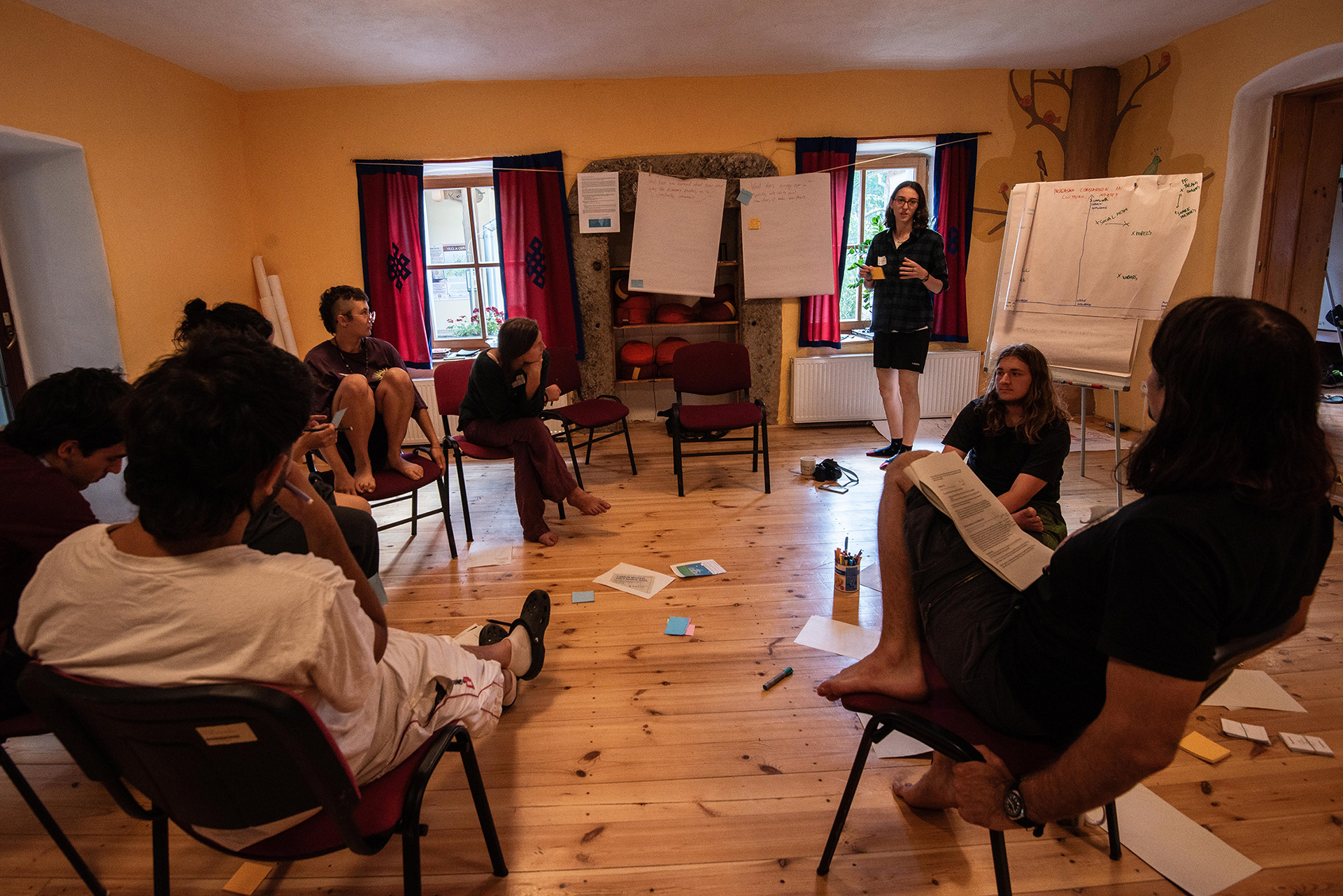
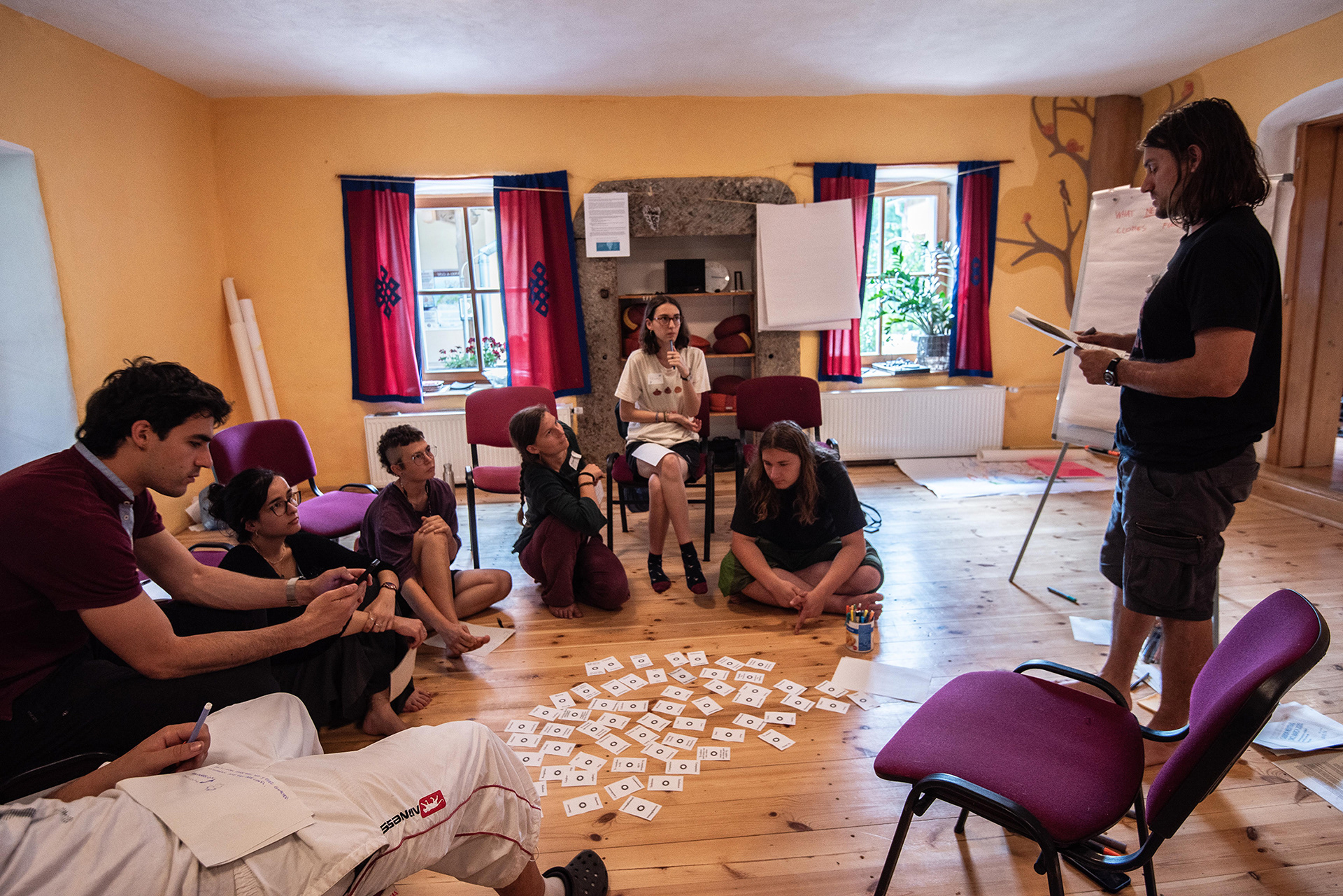
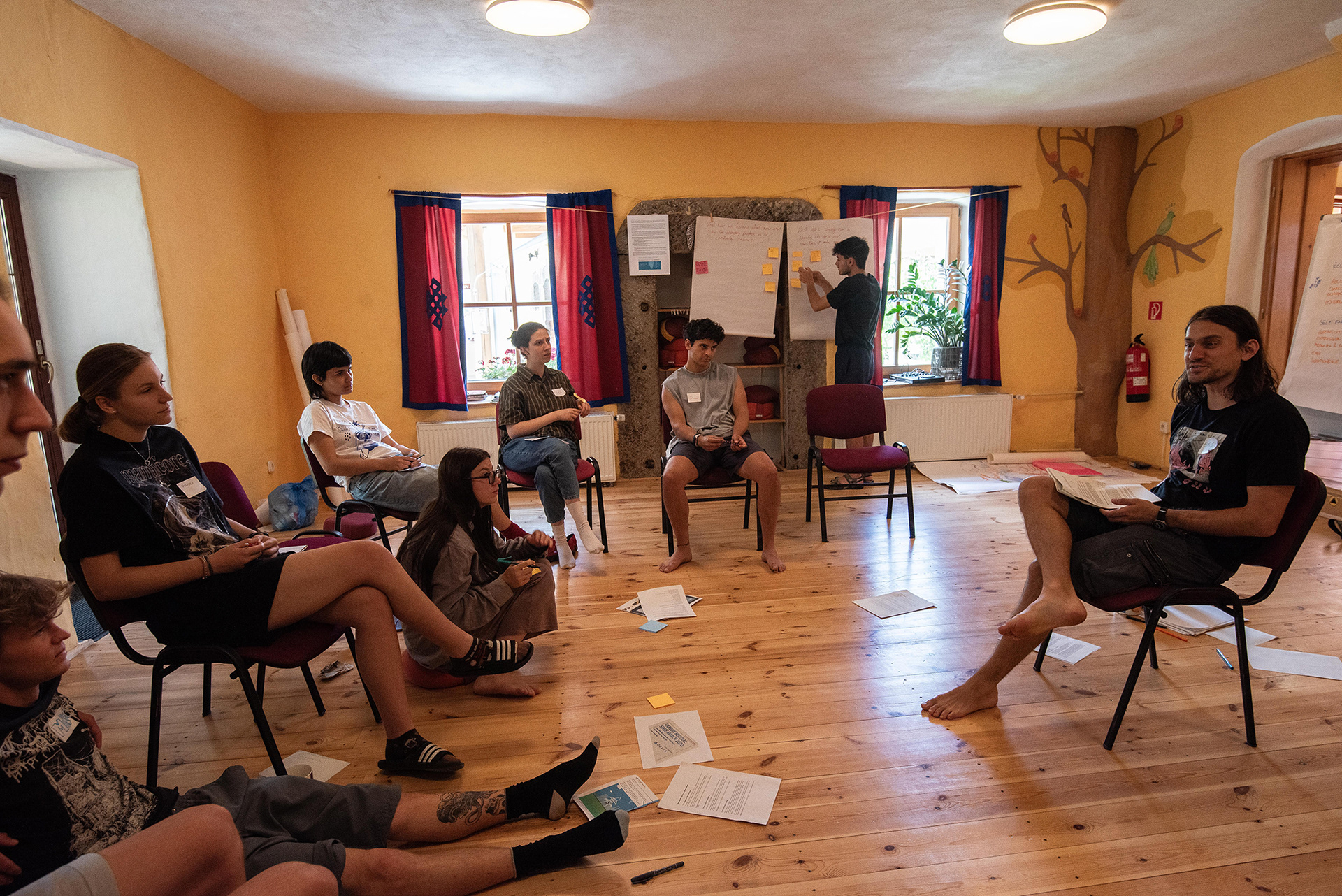
This workshop, led by Lukáš Pokorný from the partner organisation NaZemi, was grounded in critical thinking, media literacy, and global responsibility. Using interactive methods, discussion, and audiovisual material, participants explored the hidden structures behind the fashion industry.
The approach combined experiential learning with reflection, encouraging participants not only to gain knowledge but also to question their own consumption habits and decision-making processes.
Objectives
🎯 Understanding the Fashion Industry: Exploring how the global textile industry operates and its environmental and social impacts.
🎯 Consumer Awareness: Reflecting on what influences our purchasing decisions — trends, advertising, identity, and social pressure.
🎯 Greenwashing Recognition: Learning how to identify misleading marketing and false sustainability claims.
🎯 Critical Media Literacy: Analysing how brands communicate “sustainability” and how narratives are constructed.
🎯 Alternative Thinking: Discovering ways to meet personal needs beyond constant consumption (sharing, repairing, reusing, upcycling).
Activity Process
Phase 1 — Introduction to Fast Fashion:
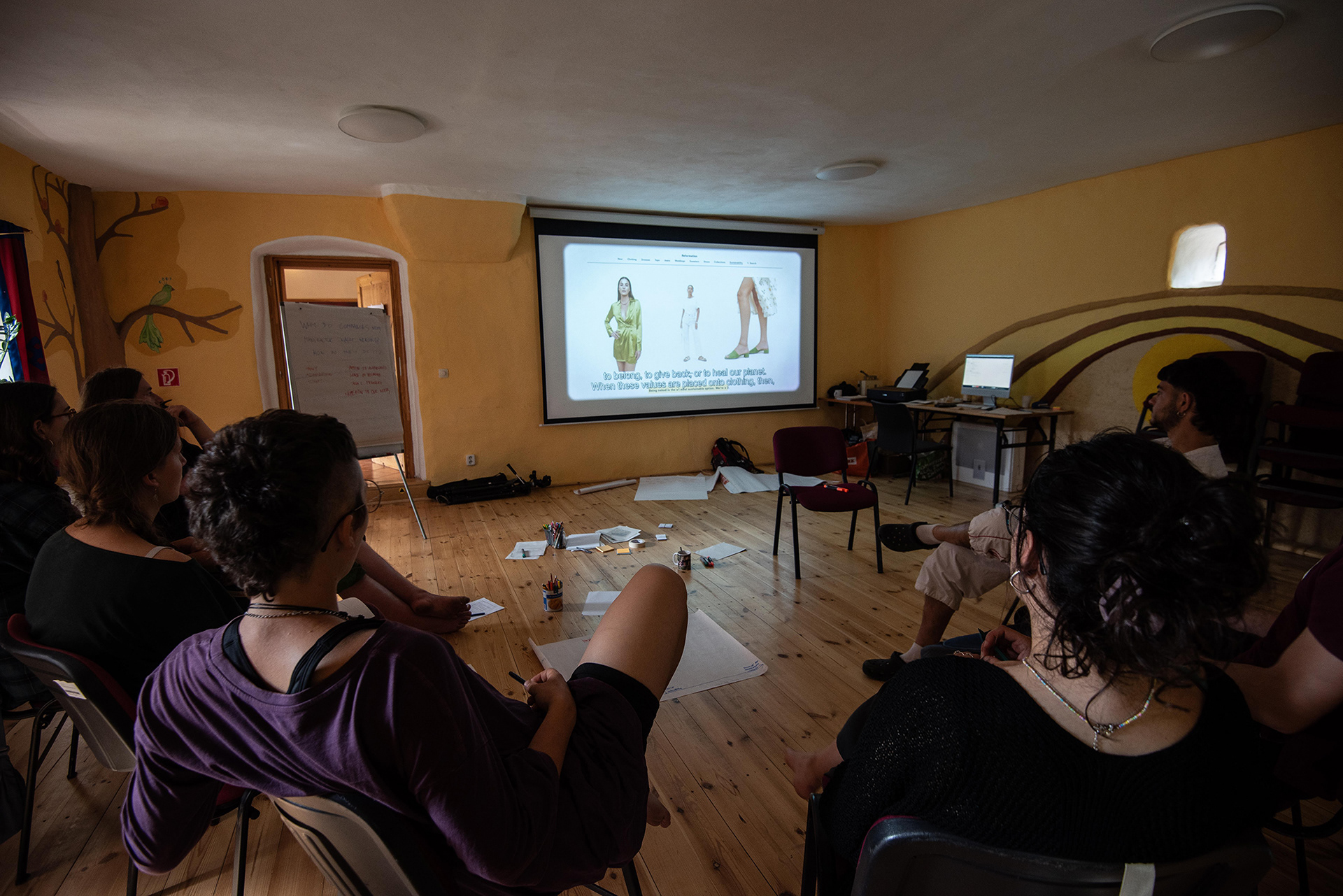
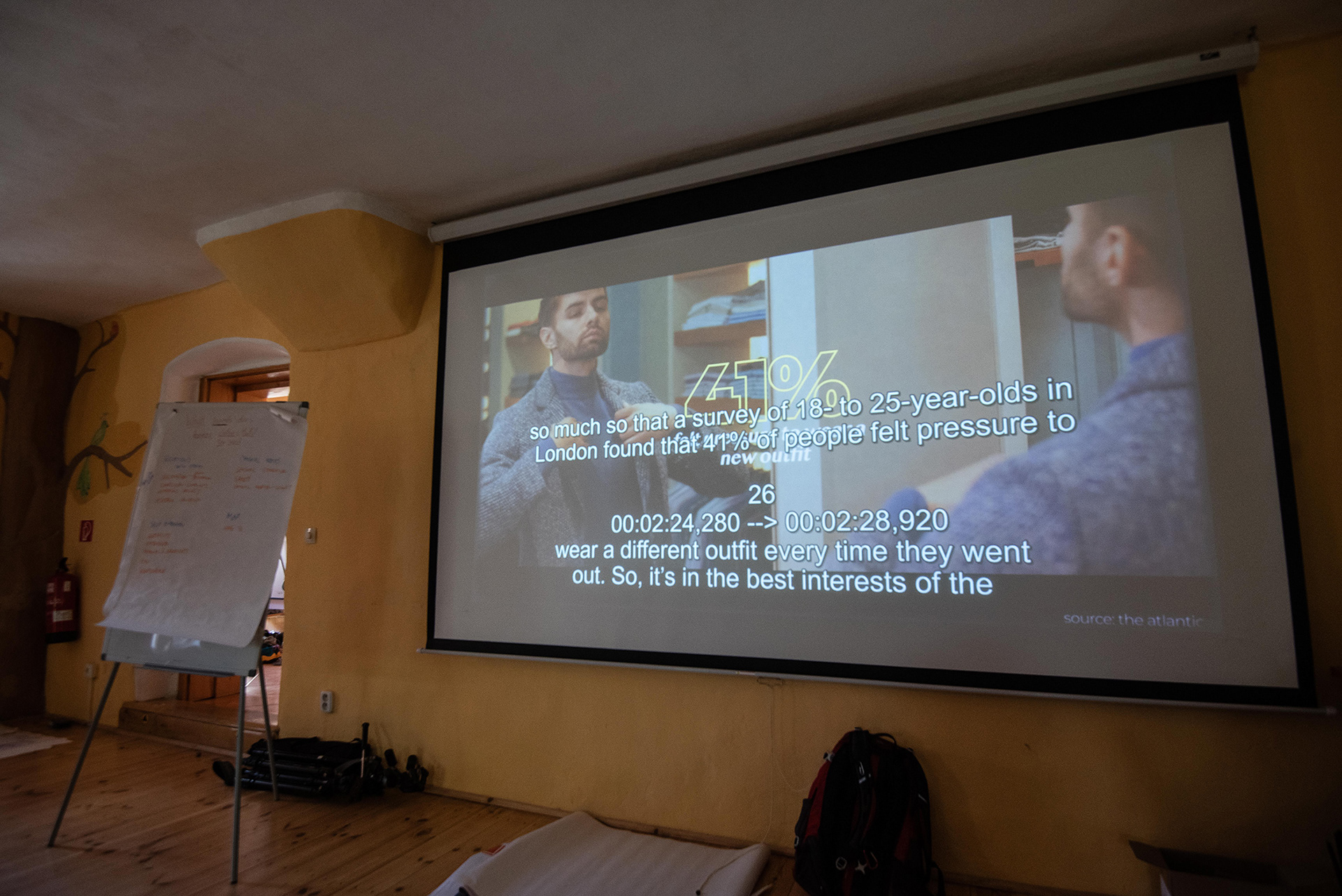
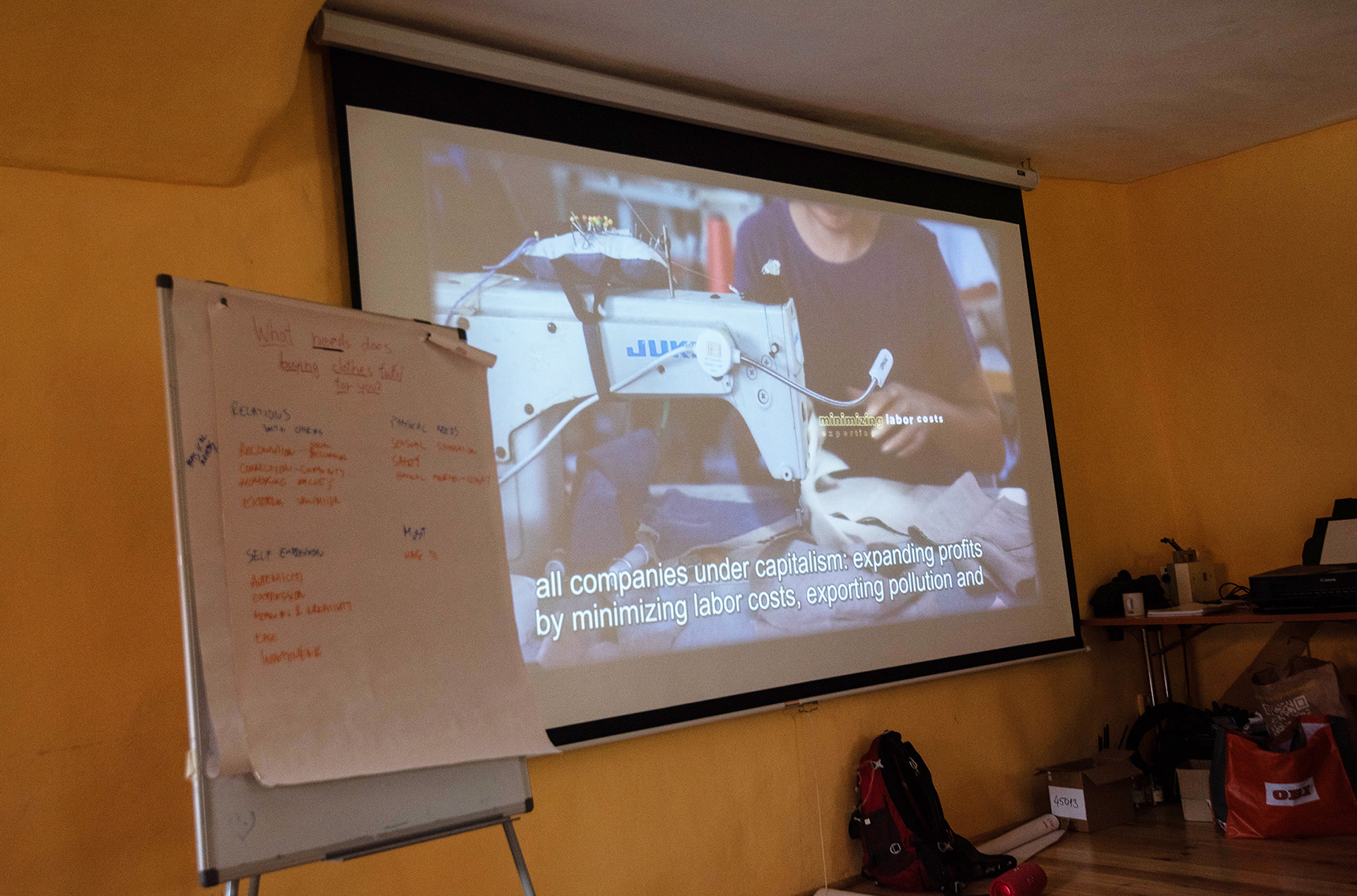
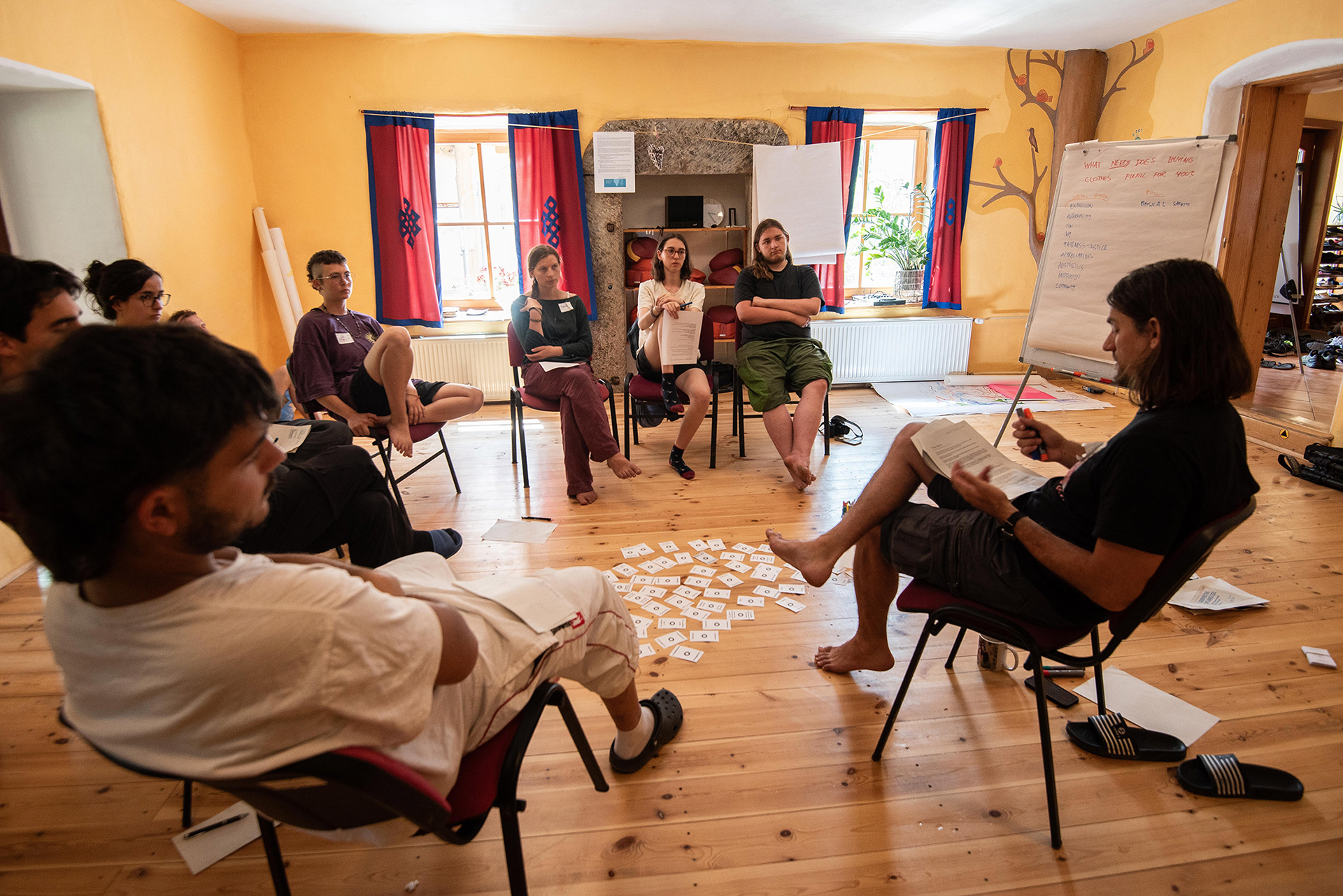
The workshop began with a screening of a documentary focused on fast fashion, revealing the environmental impact, labour conditions, and global inequalities connected to textile production.
The workshop began with a screening of a documentary focused on fast fashion, revealing the environmental impact, labour conditions, and global inequalities connected to textile production.
Phase 2 — How the System Works:
Through guided discussion and activities, participants explored how the fashion industry functions — from production chains to marketing strategies — and how profit is often prioritised over sustainability and ethics.
Through guided discussion and activities, participants explored how the fashion industry functions — from production chains to marketing strategies — and how profit is often prioritised over sustainability and ethics.
Phase 3 — What Shapes Our Choices:
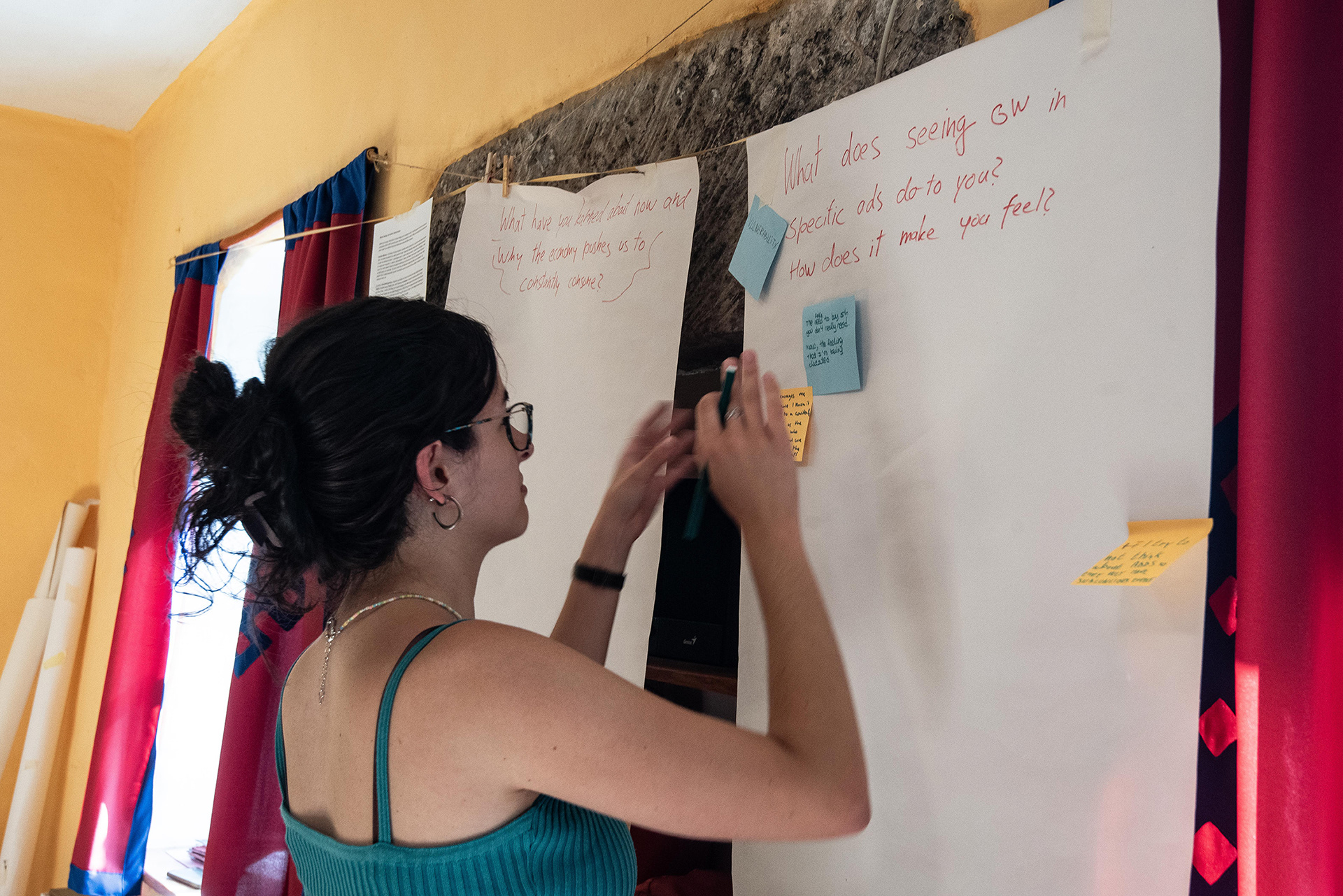
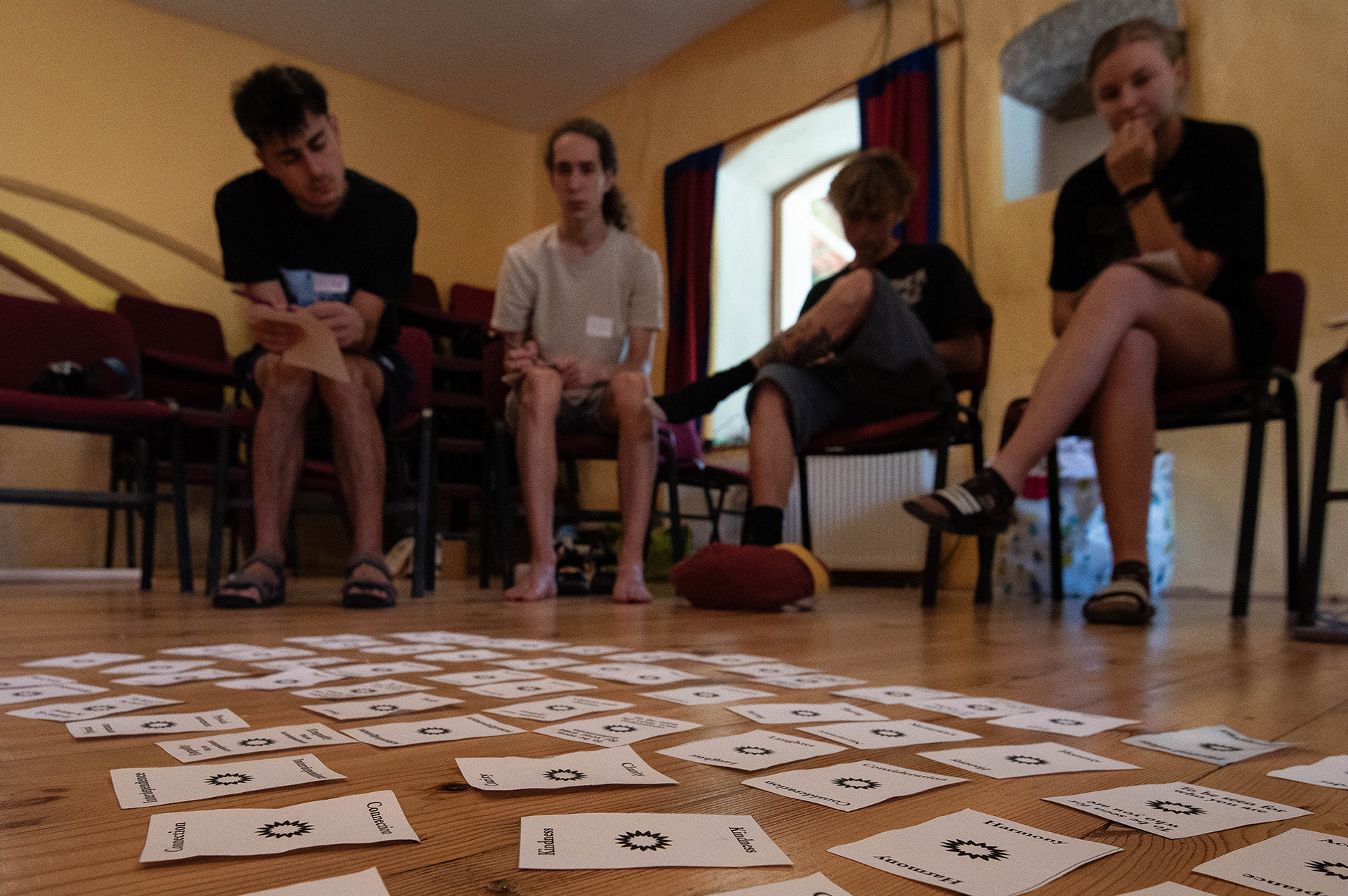
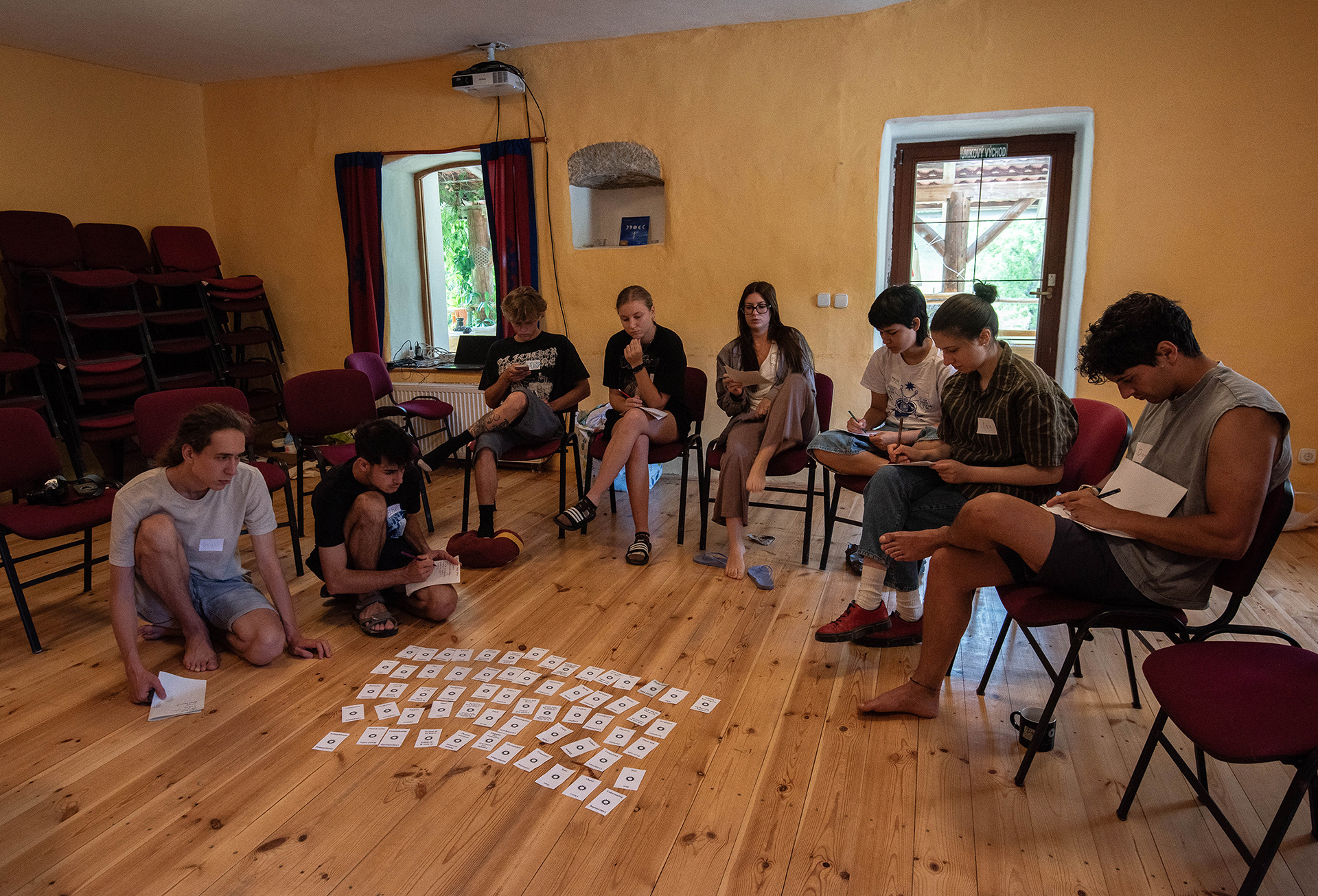
Participants reflected on their own consumer behaviour. Using interactive exercises, they analysed what drives their decisions — from social media influence to emotional needs and identity.
Participants reflected on their own consumer behaviour. Using interactive exercises, they analysed what drives their decisions — from social media influence to emotional needs and identity.
Phase 4 — Greenwashing in Practice:
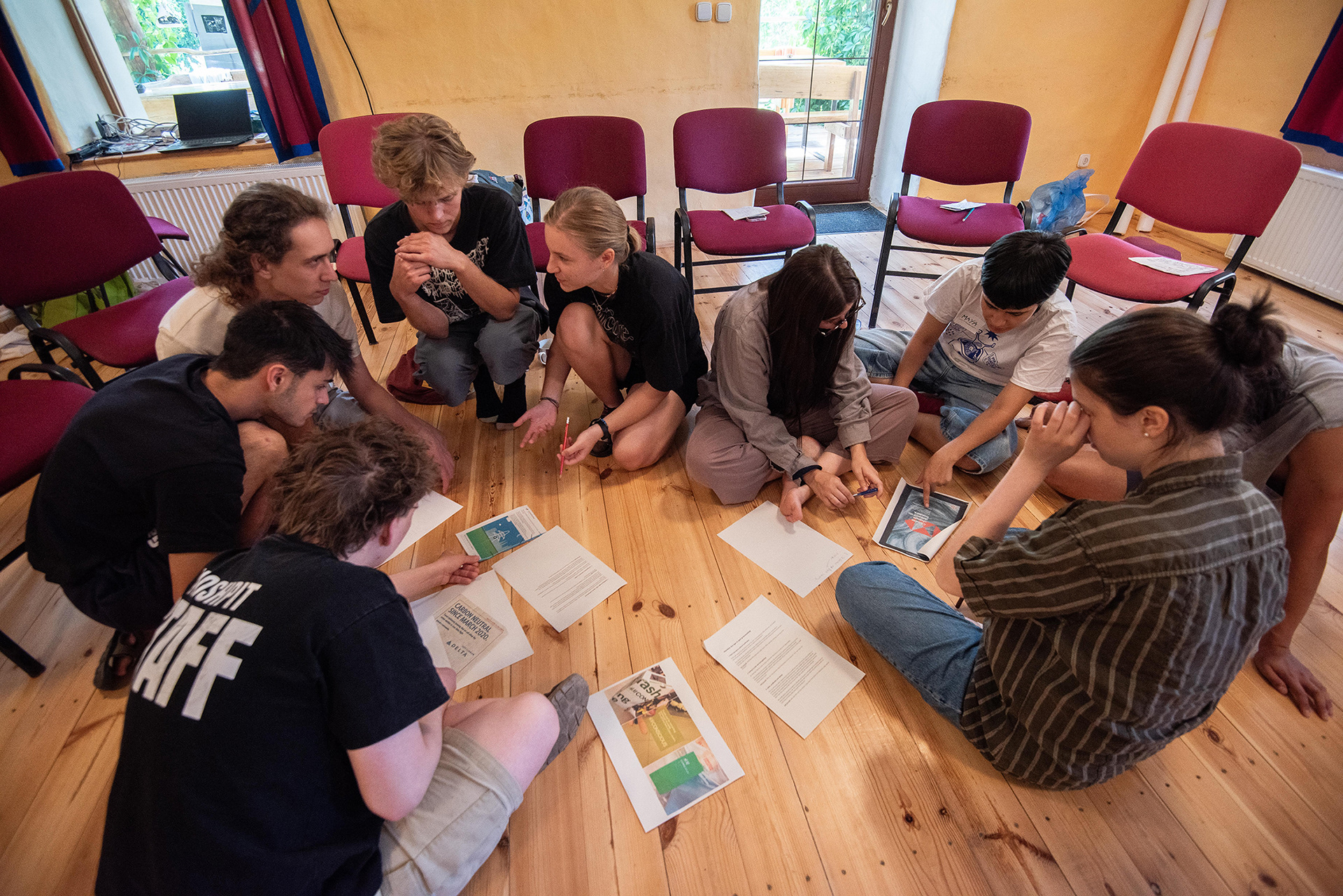
A key part of the workshop focused on identifying greenwashing. Participants worked with real-life examples, learning how brands use vague language, misleading labels, and visual cues to appear sustainable.
A key part of the workshop focused on identifying greenwashing. Participants worked with real-life examples, learning how brands use vague language, misleading labels, and visual cues to appear sustainable.
Phase 5 — Searching for Alternatives:
The workshop concluded with exploring more sustainable approaches — including upcycling, second-hand culture, repairing clothes, and shifting from ownership to use-based thinking.
The workshop concluded with exploring more sustainable approaches — including upcycling, second-hand culture, repairing clothes, and shifting from ownership to use-based thinking.
Results & Impact
👕 Increased Awareness: Participants gained a deeper understanding of the environmental and social consequences of the fashion industry.
👕 Critical Thinking Skills: They developed the ability to question marketing messages and recognise greenwashing strategies.
👕 More Conscious Consumption: Participants reflected on their own habits and identified ways to make more responsible choices.
👕 Empowerment Through Knowledge: Understanding the system helped participants feel more in control of their decisions.
👕 Shift in Perspective: The workshop encouraged seeing fashion not just as style, but as a complex system connected to global issues.