Art Flow Activity 🗣️ Workshop: "Open Space – Conversations That Matter"
What if the most important questions were the ones participants brought themselves? Open Space is not a lecture. It is not a panel discussion. It is a living, breathing conversation — shaped entirely by the curiosity, concerns, and ideas of the people in the room.
Facilitator: Lukáš Pokorný (NaZemi, Czech Republic)

Educational Approach
The Open Space workshop, facilitated by Lukáš Pokorný from partner organisation NaZemi, introduced participants to one of the most democratic and participatory educational formats. Unlike traditional workshops with fixed content and expert-led delivery, Open Space dissolves the boundary between those who teach and those who learn.
The method is built on a simple but powerful premise: the people in the room are the experts on what matters to them. Participants propose topics, shape discussions, and take responsibility for the learning process, while facilitators guide the structure rather than the content.
The 4 Rules & 1 Law of Open Space
Open Space operates on a set of principles that embrace uncertainty and trust the process:
🗣️ Whoever comes is the right person
🗣️ Whatever happens is the only thing that could have happened
🗣️ Whenever it starts is the right time
🗣️ When it’s over, it’s over
🗣️ The Law of Two Feet — if you are neither learning nor contributing, you are free to move to another group
Activity Process
Phase 1 — Opening & Evocation:
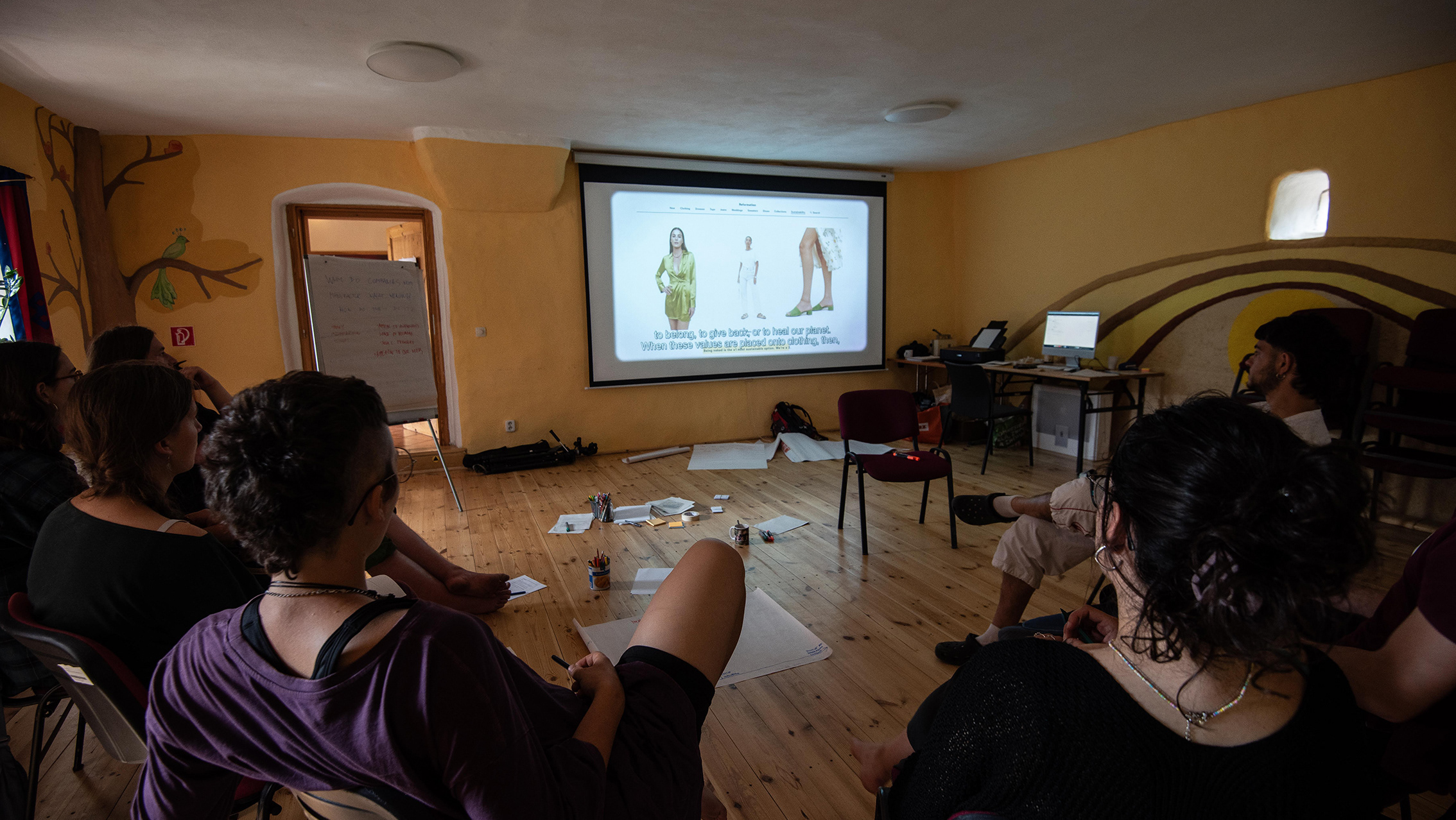
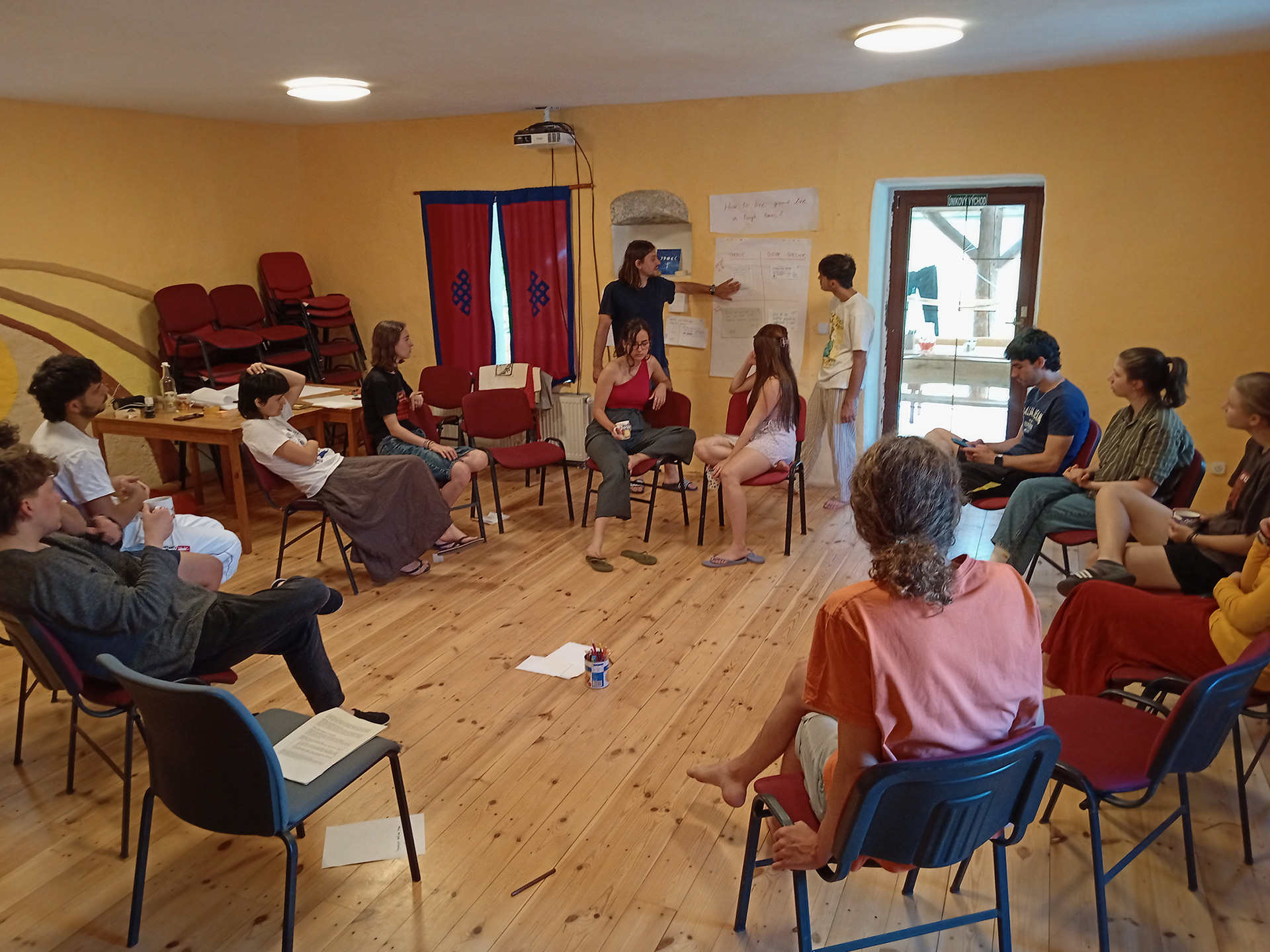
The session began with a collective check-in, creating a safe and open atmosphere. Participants were introduced to the Open Space method and its principles. To activate thinking and emotional engagement, evocation activities invited participants to reflect on the central theme and share their associations, experiences, and questions.
The session began with a collective check-in, creating a safe and open atmosphere. Participants were introduced to the Open Space method and its principles. To activate thinking and emotional engagement, evocation activities invited participants to reflect on the central theme and share their associations, experiences, and questions.
Phase 2 — Generating Questions:
Participants were invited to write down the questions they genuinely wanted to explore — questions that felt alive, personal, or unresolved. These were presented to the group, clustered by similarity, and selected through a participatory voting process. The result was a shared agenda shaped entirely by the participants.
Participants were invited to write down the questions they genuinely wanted to explore — questions that felt alive, personal, or unresolved. These were presented to the group, clustered by similarity, and selected through a participatory voting process. The result was a shared agenda shaped entirely by the participants.
Phase 3 — Self-Organised Discussions:
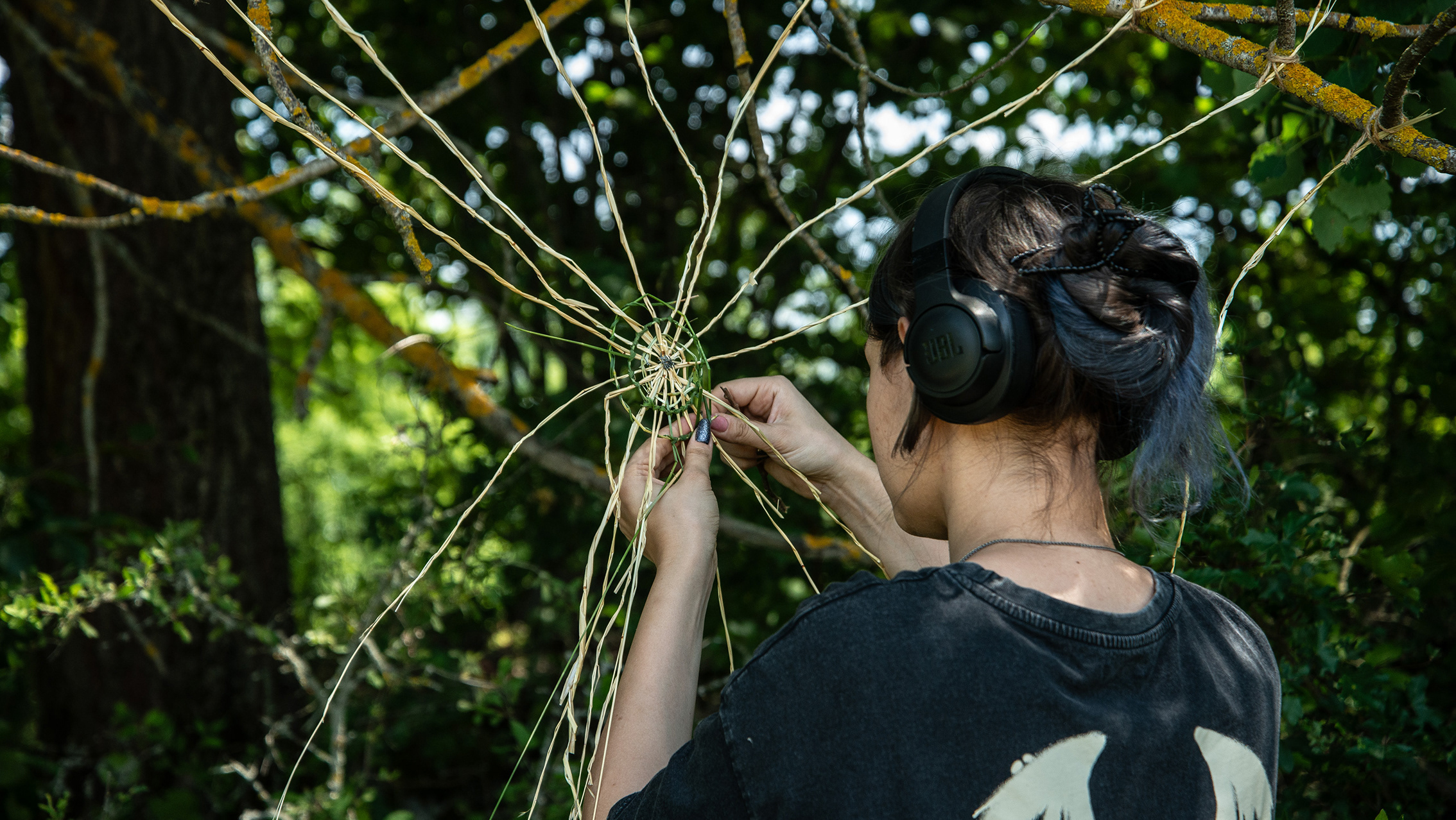
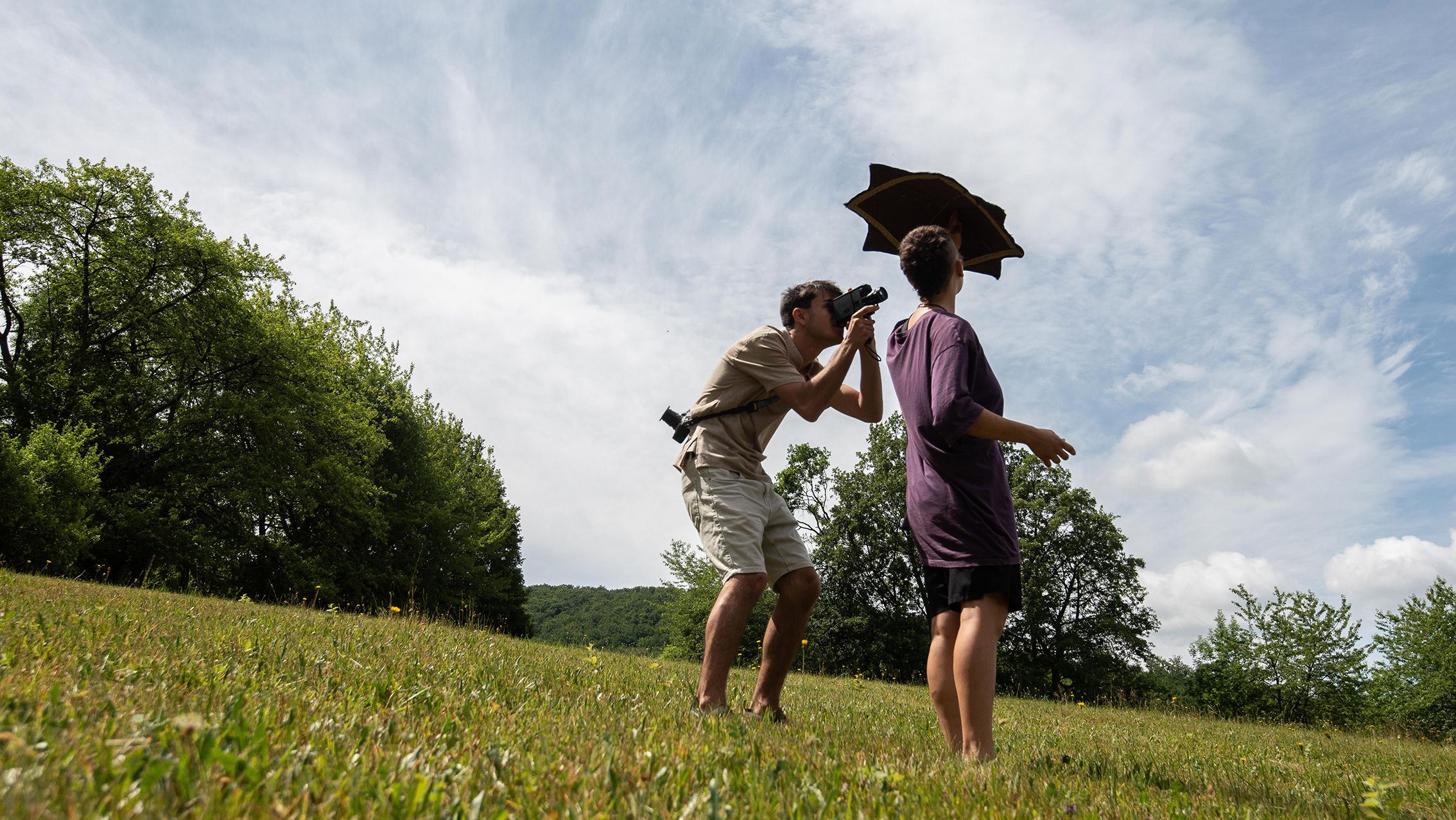
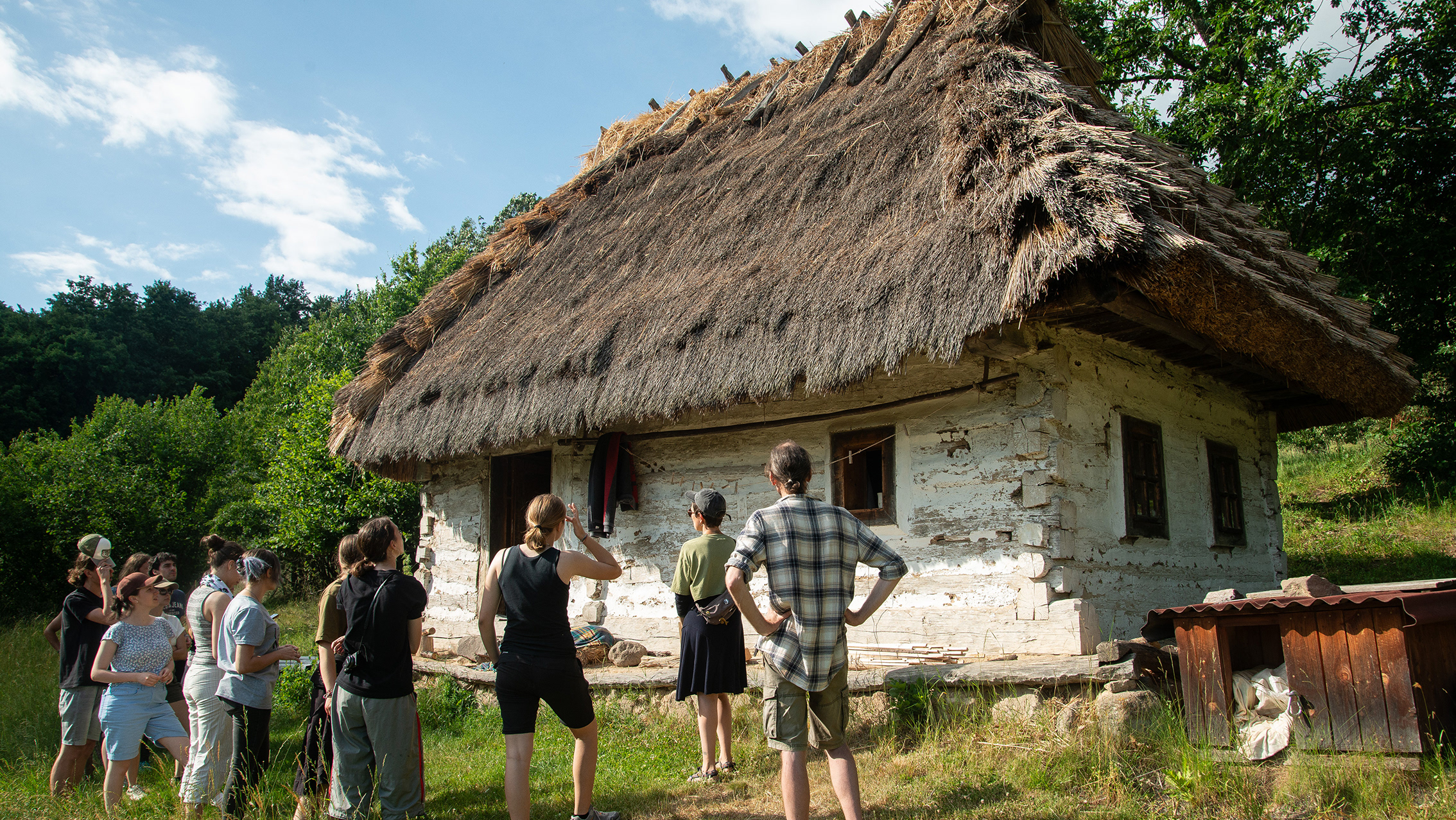
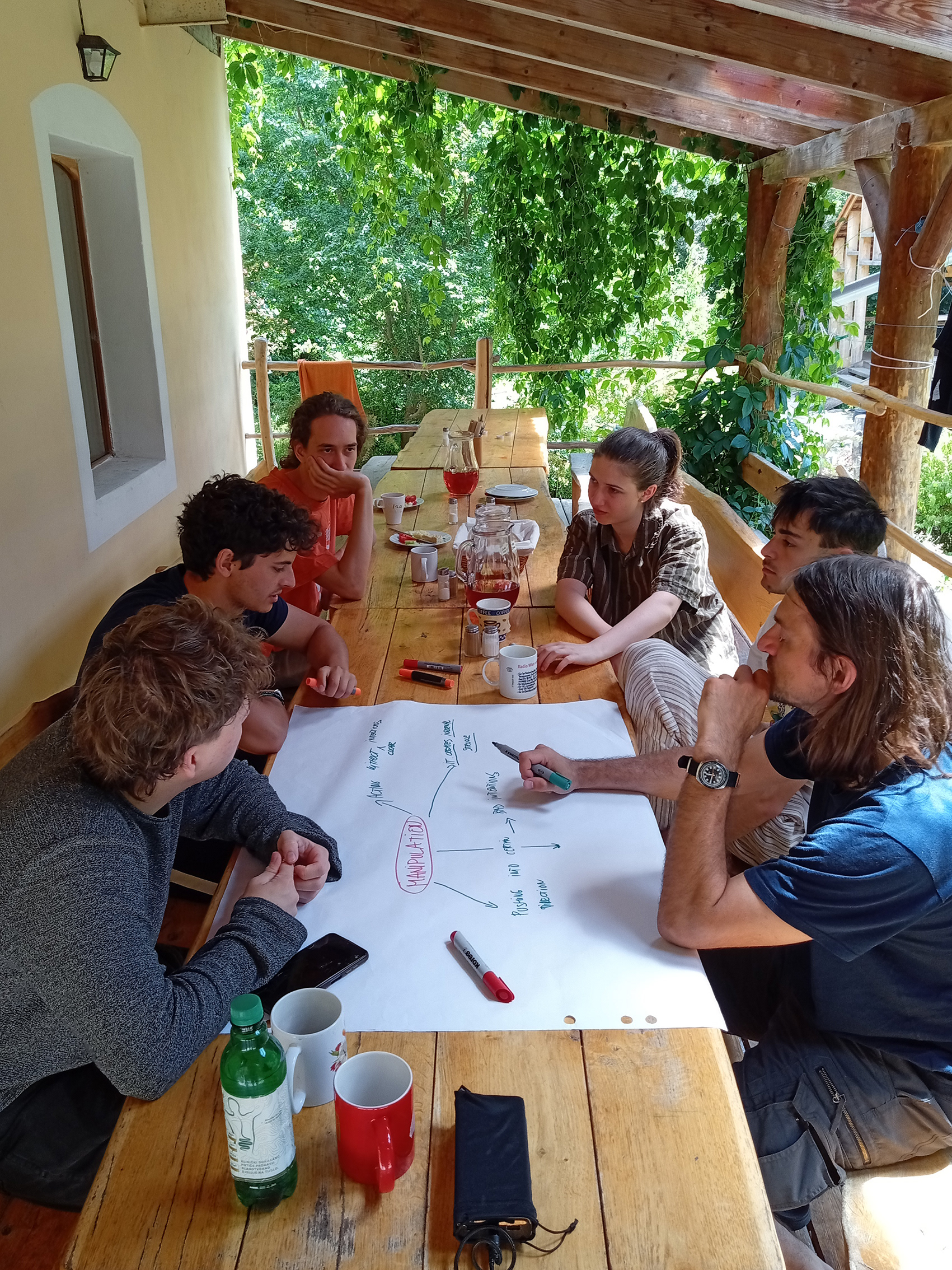
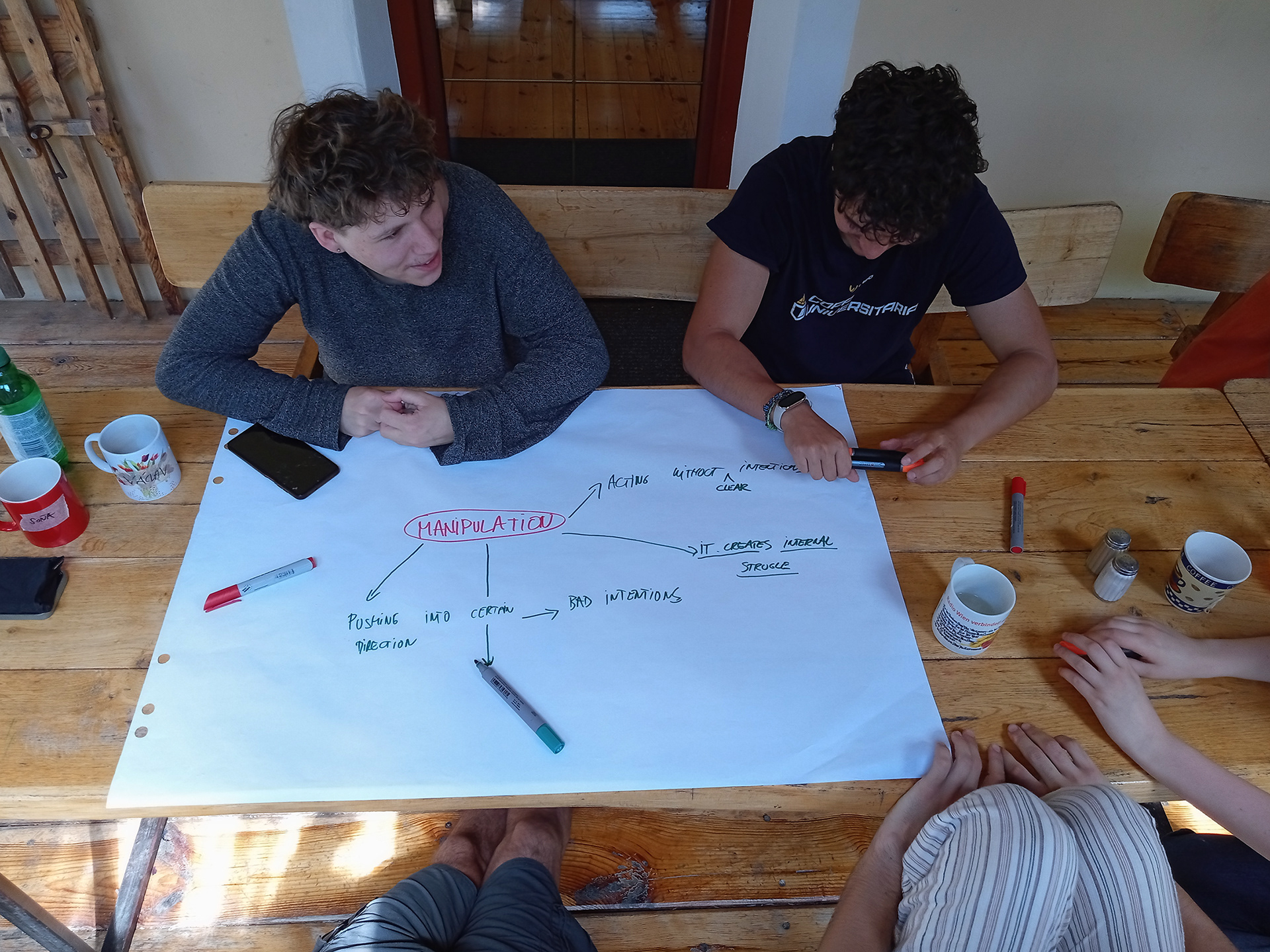
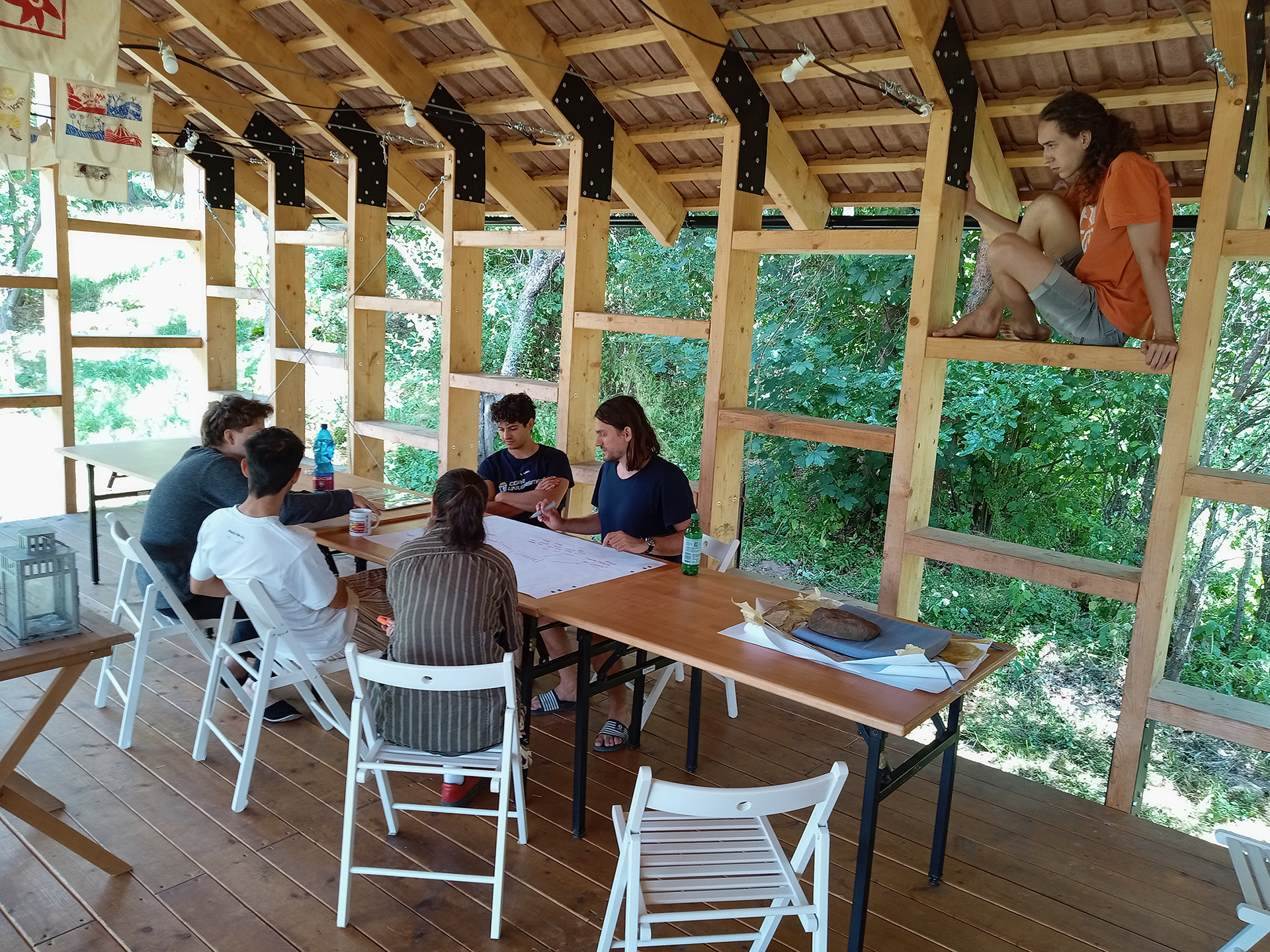
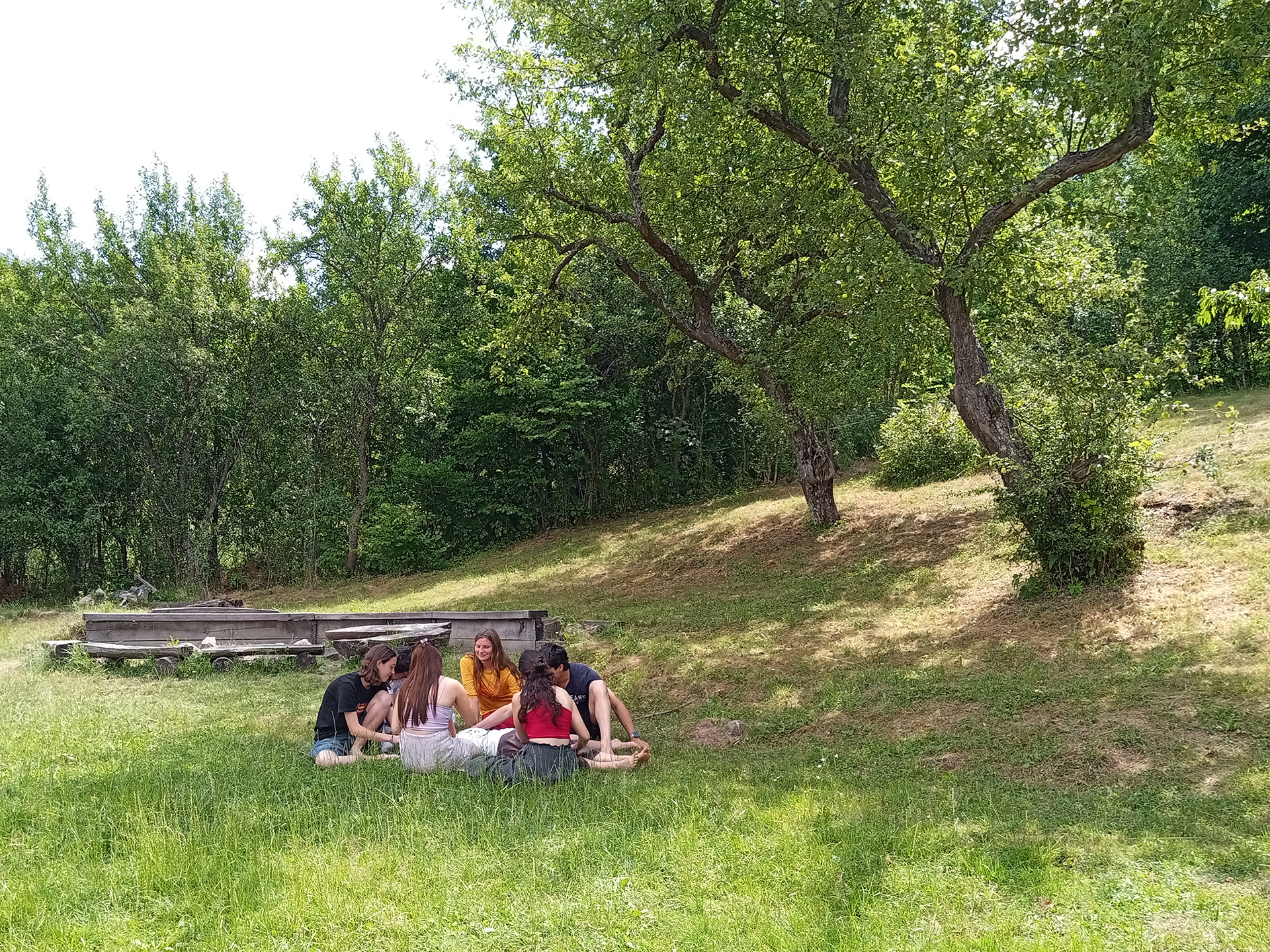
Participants formed small groups based on their interests and moved into different spaces — indoors, on the terrace, and outside in nature.
Participants formed small groups based on their interests and moved into different spaces — indoors, on the terrace, and outside in nature.
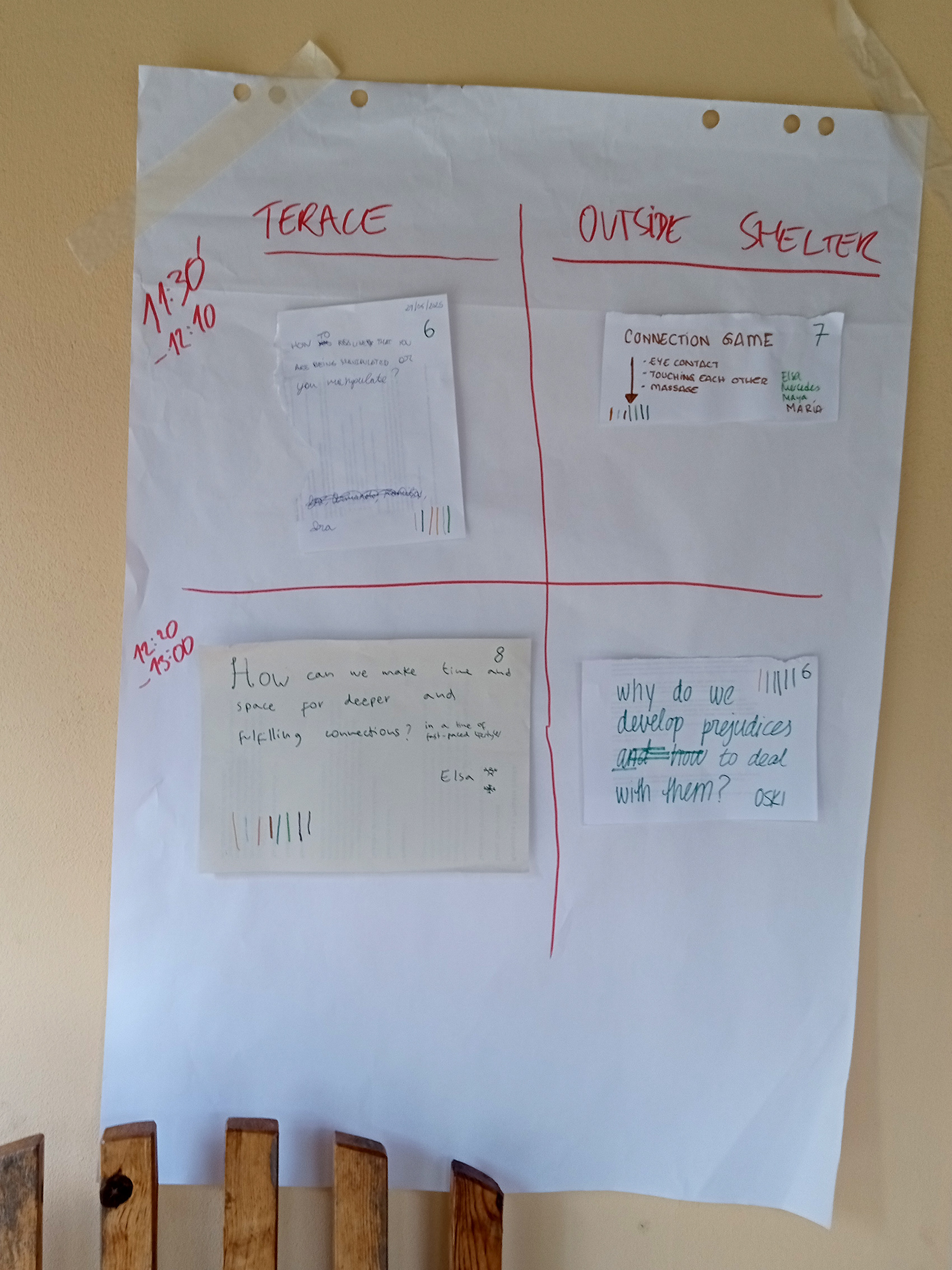
The “community board” filled with diverse and meaningful questions:
The Ethics of Influence: How can we recognise manipulation — both in others and in ourselves?
Deep Connections: How can we create time and space for meaningful relationships in a fast-paced world?
Breaking Prejudices: Why do we develop prejudices, and how can we work with them?
Connection Game: How can we experience connection beyond words?
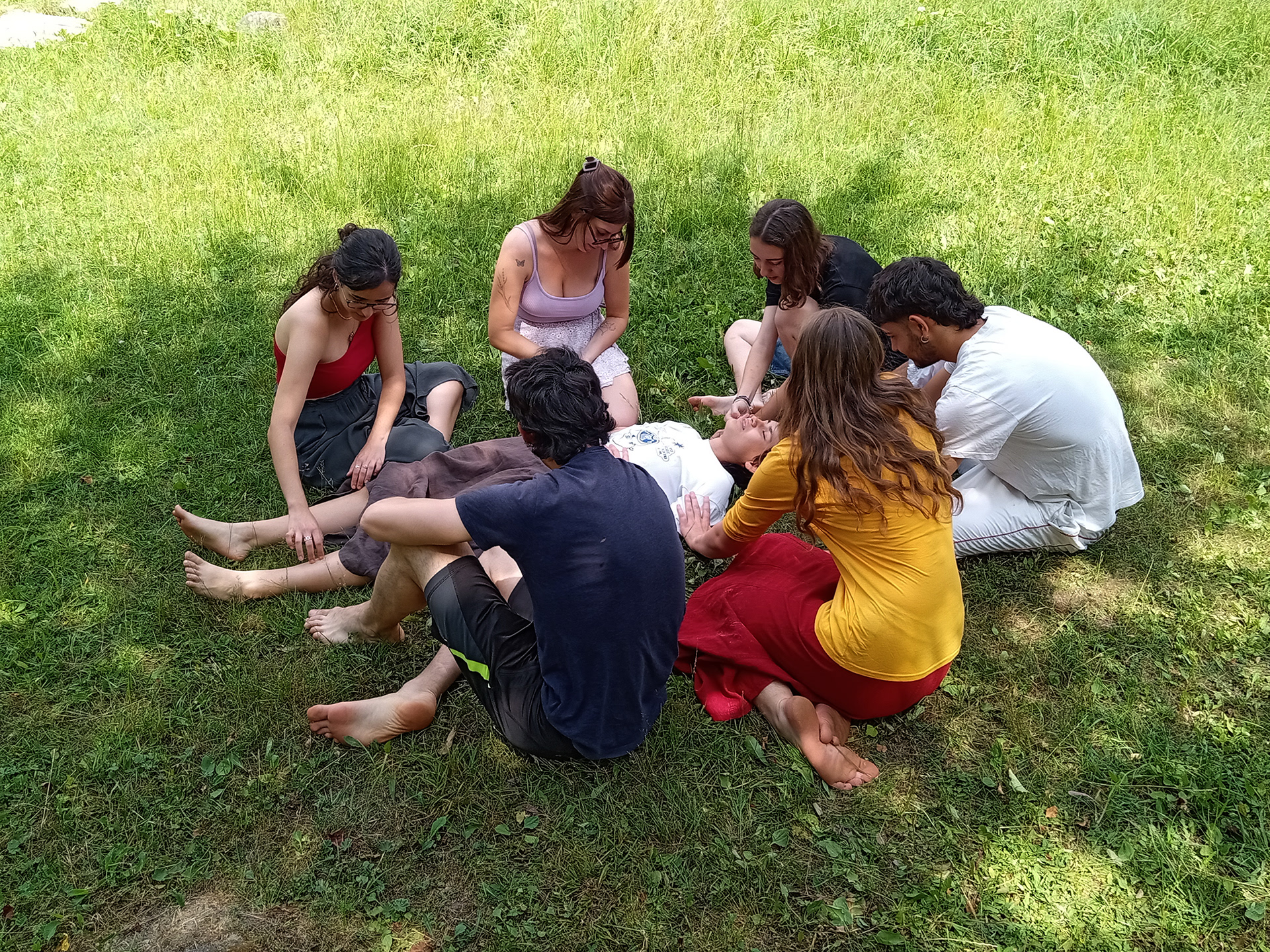
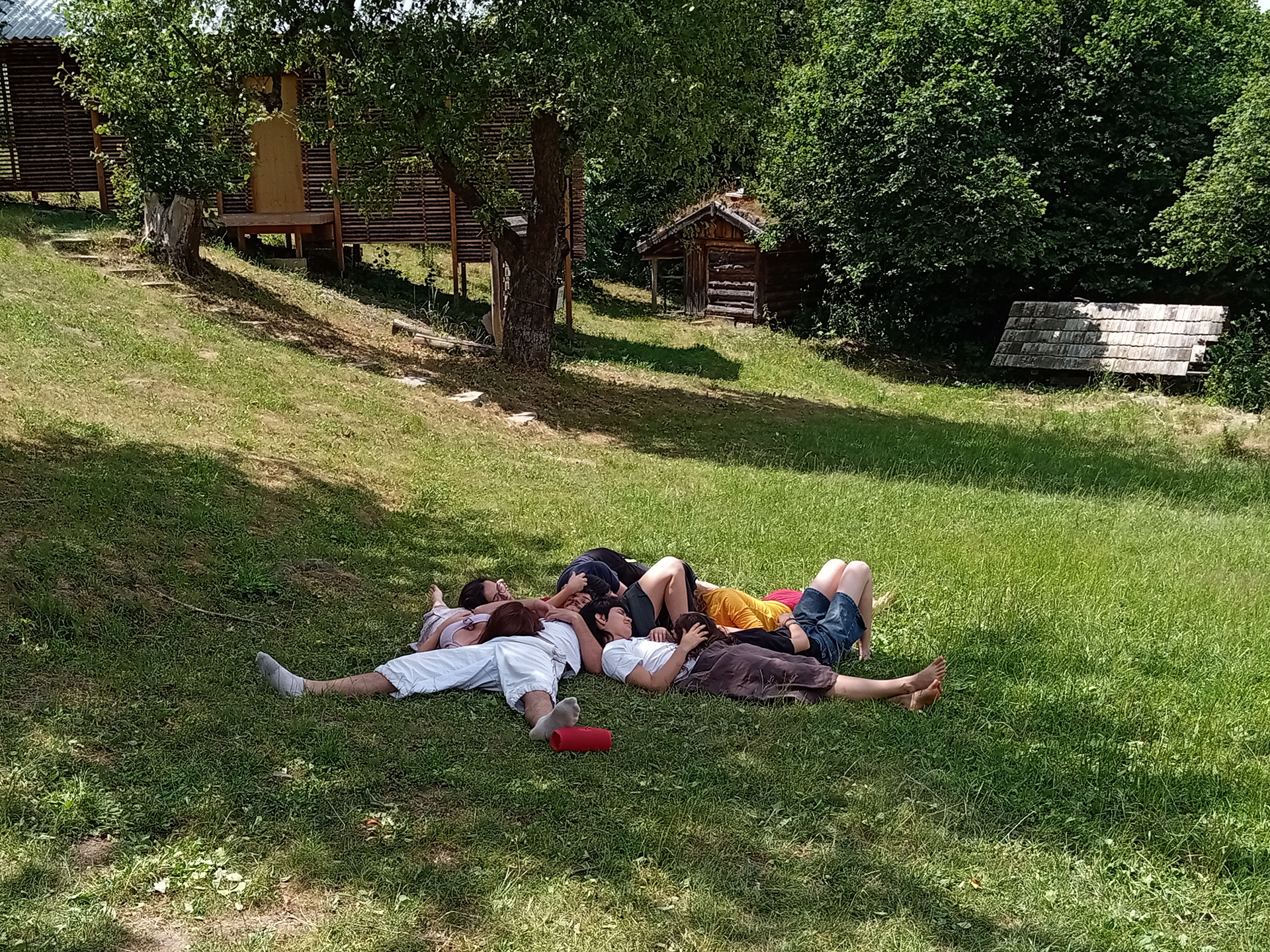
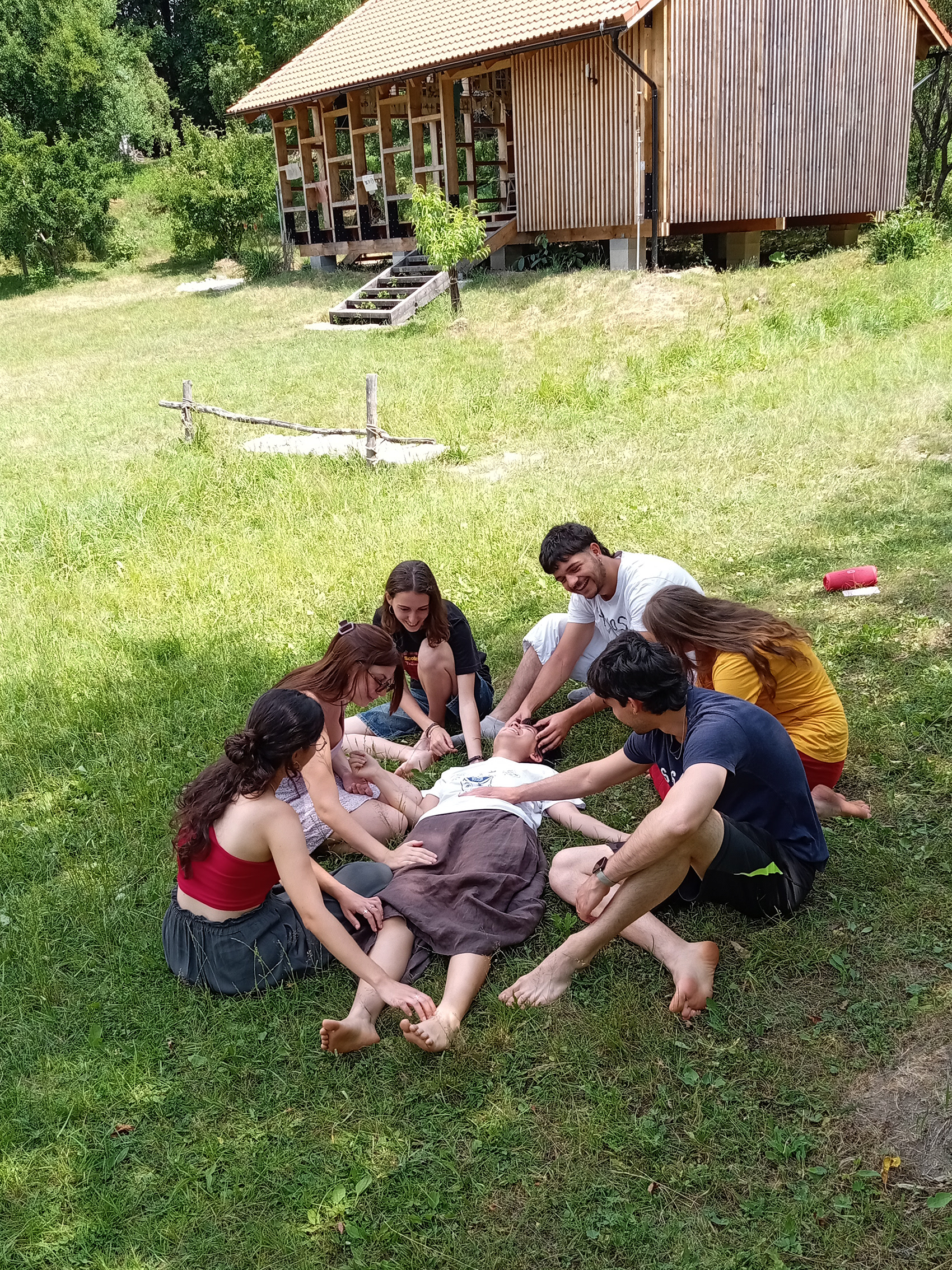
One group, however, took the process in a completely unexpected direction. Instead of a verbal discussion, they chose to explore connection through shared touch, massage, and eye contact. In the spirit of Open Space, this was not seen as a deviation, but as a fully valid response to the question they brought. It became a powerful reminder that some forms of understanding and connection happen beyond language.
Each group facilitated its own process and documented key insights, taking ownership of both the content and the experience.
Phase 4 — Sharing & Reflection:
At the end, all groups gathered again to share their key reflections and insights. The workshop closed with a collective reflection, inviting participants to consider what they were taking with them — about the topic, about others, and about themselves.
At the end, all groups gathered again to share their key reflections and insights. The workshop closed with a collective reflection, inviting participants to consider what they were taking with them — about the topic, about others, and about themselves.
Results & Impact
🗣️ Participant-Led Learning: All topics emerged directly from participants, ensuring authenticity, relevance, and deep engagement.
🗣️ Democratic Dialogue: The format created equal space for every voice, regardless of background or experience.
🗣️ Critical & Reflective Thinking: Participants practised asking open questions, listening actively, and engaging with complex topics from multiple perspectives.
🗣️ Embodied Experience: The inclusion of non-verbal exploration (such as touch and eye contact) expanded the understanding of dialogue beyond words.
🗣️ Emotional Depth: The process allowed space for personal experiences, values, and emotions, enriching the quality of reflection.
🗣️ Community Building: The informal and self-organised nature of the workshop strengthened trust and connection within the group.
🗣️ Transferable Skills: Participants gained practical experience with participatory facilitation, which they can apply in their own communities and projects.